
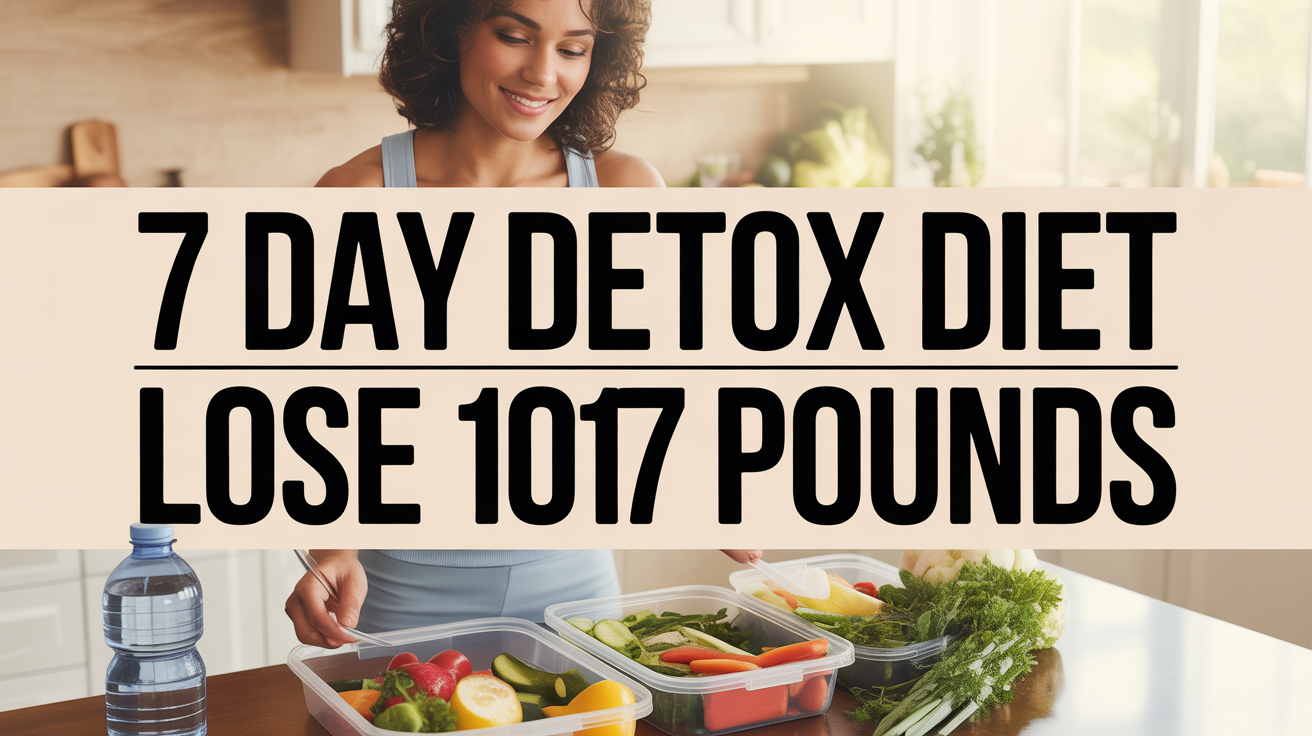
What Is the 7-Day Detox Diet?
A 7-day detox diet is a short-term eating protocol that emphasizes high-fiber, high-water, low-calorie whole foods while eliminating sugar, alcohol, caffeine, processed foods, and often dairy and wheat for a full week. The goal is to reduce the body’s inflammatory load and give the digestive system a clean slate.
Proponents claim the 7-day detox detoxifies the body, burns fat faster, improves digestion, and produces weight loss of 10-17 lbs in seven days. Those claims are appealing. But the science behind them is thin. The liver and kidneys perform natural detoxification without dietary intervention, and no substantial research supports the idea that a food-based detox accelerates that process.
Here’s the thing — the value of a 7-day detox isn’t in some mysterious toxin-flushing magic. It’s in the dramatic shift from processed, high-calorie foods to whole, nutrient-dense ones. That shift is real, and its effects are measurable.
How Does the 7-Day Detox Diet Work?
The 7-day detox diet works primarily by creating a calorie deficit — fruits and vegetables are far lower in calories than the processed foods they replace, so total intake drops significantly without deliberate calorie counting. The deficit drives the weight loss.
Some detox plans claim certain foods are ‘negative-calorie’ — providing fewer calories than the body expends digesting them. That claim is not scientifically supported. What is true is that high-water, high-fiber foods fill the stomach with fewer calories, extending satiety and naturally reducing total intake.
Hydration sits at the core of every serious 7-day detox. Most protocols require 8-12 glasses of water per day. Water flushes sodium, reduces bloating, and — critically — prevents thirst from being misread as hunger, which can sabotage any diet.
What Does the GM Diet Version of a 7-Day Detox Look Like?
The GM diet is a structured 7-day detox with a specific daily food rotation: Day 1 is fruits only, Day 2 vegetables only, Day 3 both, Day 4 bananas and milk, Days 5-6 protein and tomatoes, and Day 7 brown rice, fruit juice, and vegetables. Each day has its own rules.
The diet was originally attributed to General Motors, though its origins are unverified. Proponents claim it produces up to 15 lbs (6.8 kg) of weight loss in one week and detoxifies the body. Healthline rated it 1.13 out of 5, citing no supporting research, multiple nutrient gaps, and likely temporary results.
Despite its low rating in clinical terms, the GM diet remains popular because of its simplicity. The daily structure tells you exactly what to eat. No calorie counting, no macro tracking — just follow the day’s rules.
Can You Really Lose 10-17 Pounds in 7 Days?
Losing 10-17 lbs in 7 days is possible on a detox diet, but the weight lost is not primarily fat — it is a combination of water, glycogen, and some fat, with the ratio depending on individual starting weight and how strictly the protocol is followed. The scale moves fast. The body composition change is smaller.
Losing 10-17 lbs of pure fat in 7 days is physiologically impossible. Pure fat loss requires a 3,500-7,000 calorie weekly deficit per pound. Losing 10 lbs of fat would require a 35,000-calorie weekly deficit — roughly 5,000 calories per day below maintenance. That number doesn’t exist in any real eating scenario.
How Much of That Weight Loss Is Actually Fat?
Most of the rapid weight loss on a 7-day detox comes from glycogen depletion — as carbohydrate and calorie intake drops, the body burns glycogen stored in the liver and muscles, releasing 3-4g of water per gram of glycogen and producing significant scale drop within days.
Sustainable fat loss tops out at 1-2 lbs (0.45-0.9 kg) per week for most adults. Anything beyond that in the first week is predominantly water and glycogen, not body fat. That distinction matters for setting realistic expectations. The scale drop is real. The fat loss component of it is a fraction of the total.
Low-protein detox days compound the problem. Research shows high-protein diets produce 8.4 lbs (3.8 kg) more fat loss than high-carb diets over 6 months. Fruit-and-vegetable-only days are low in protein, which accelerates muscle breakdown alongside fat loss — reducing the quality of weight lost.
Why Is Most 7-Day Detox Weight Loss Temporary?
Most 7-day detox weight loss is temporary because the bulk of it is water weight tied to glycogen stores — once normal eating resumes, glycogen refills and the body reabsorbs the associated water, reversing most of the scale drop within days. The loss is real while it lasts. The rebound is equally real.
Detox diets are not designed for long-term use. Some protocols suggest cycling with a 5-7 day gap between rounds, but no evidence supports this as a sustainable fat loss strategy. The weight returns faster than it was lost once regular eating patterns resume.
What works long-term is simpler: cutting 500 calories per day through whole-food eating and regular activity produces 0.5-1 lb (0.23-0.45 kg) of true fat loss per week. Slower than a detox, but the results don’t evaporate when the week ends.
What Foods Do You Eat on a 7-Day Detox Diet?
The core detox food list includes fresh, frozen, or dried vegetables and fruits, lean proteins like chicken, fish, and eggs, whole grains, olive oil, herbs, spices, and hydrating beverages like herbal teas, infused water, and detox broth. Variety within those categories is encouraged.
The daily eating rule that unifies every serious detox protocol is protein and fiber pairing. Pairing protein and fiber at every meal and snack keeps blood sugar stable, appetite satisfied, and energy consistent throughout the week — preventing the hunger spikes that lead most detox attempts to fail by day 3.
What Foods Are Not Allowed on a 7-Day Detox?
All forms of added sugar are eliminated for the full 7 days — white sugar, brown sugar, high-fructose corn syrup, and artificial sweeteners like aspartame and Splenda, with small amounts of honey, maple syrup, and molasses permitted as natural alternatives. Alcohol, caffeine, and processed foods are also off the list.
Foods to Eliminate on a 7-Day Detox:
- Sugar (white, brown, HFCS, artificial sweeteners)
- Alcohol and caffeine
- Processed and packaged foods
- Dairy (substitute with soy, almond, or rice milk)
- Wheat (substitute with gluten-free grains)
- Chocolate and recreational drugs
Dairy and wheat are eliminated as potential food intolerances. Substitutes — soy, almond, or rice milk; soy cheese and yogurt — replace them without compromising nutrition. Eliminating prepackaged sodium-heavy soups and snacks typically produces visible reduction in bloating within the first 48 hours.
Cutting sodium alone has immediate effects. When sodium intake drops, the body sheds excess water retention fast. That’s often the first visible result on day 2 — a flatter stomach and lighter scale reading before any meaningful fat has been lost.
What Are the Best Meals for a 7-Day Detox?
The best detox breakfasts combine slow-release carbohydrates with protein for sustained energy — examples include steel-cut oat porridge with fruit toppings, a green smoothie blending apples, spinach, celery, lemon, and ginger, or Greek yogurt with fruit and a drizzle of honey.
Sample 7-Day Detox Meals:
| Meal | Example | Key Nutrients |
|---|---|---|
| Breakfast | Green smoothie (apples, spinach, celery, lemon, ginger) | Fiber, vitamin C, antioxidants |
| Lunch | Rainbow salad (lettuce, purple cabbage, red pepper, avocado, sesame seeds) | Healthy fats, fiber, vitamins A and C |
| Lunch alt. | Chicken salad with brown rice, hummus, red pepper, lemon | Protein, fiber, complex carbs |
| Dinner | Steamed salmon with parsley-dill dressing and fennel | Omega-3s, protein, B vitamins |
| Dinner alt. | Quinoa and sweet potato salad | Complete protein, potassium, fiber |
Detox lunches built around protein and vegetables sustain energy through the afternoon. A chicken salad with 80g cooked brown rice, 1 dollop of hummus, spring onions, red bell pepper, and lemon juice delivers protein, fiber, and complex carbs without processed ingredients.
Detox dinners follow the same logic. Steamed salmon fillets with a parsley-dill-shallot-lemon dressing provide omega-3 fatty acids and lean protein. Lemon chicken stew is another one-pot option that supports cellular growth and repair while keeping the meal naturally low in processed additives.
What Are the Benefits of a 7-Day Detox Diet?
The most consistently reported benefits of a 7-day detox are reduced cravings, improved energy, less bloating, better digestion, and some weight loss — with most adherents reporting these changes by the end of the 7 days regardless of which specific protocol they followed.
Beyond the short-term results, the shift to whole-food eating carries documented long-term health benefits. Diets heavy in fruits and vegetables are linked to reduced risk of diabetes, heart disease, and high blood pressure. Some people also notice improvements in skin clarity and hair health within the first week. Is that the detox working? Or is it just eating better? Either way, the outcome is the same.
Does a 7-Day Detox Improve Digestion?
Yes. A 7-day detox does improve digestion by dramatically increasing fiber intake from oats, vegetables, fruits, chia seeds, and flaxseeds, which cleanse the digestive tract and restore regular bowel movements disrupted by processed-food diets. The shift is often noticeable within 48-72 hours.
High-Fiber Detox Foods That Support Digestion:
- Steel-cut oats
- Chia seeds and flaxseeds
- Spinach, kale, and broccoli
- Asparagus, artichokes, and cucumber
- Apples and pears
Adding probiotic-rich foods on day 6 — yogurt, kefir, sauerkraut — supports gut bacteria balance. A healthy gut microbiome is essential for the body’s natural detoxification processes. This is where the 7-day detox’s digestive claims have their strongest scientific footing.
Eliminating ultra-processed foods reduces the inflammatory load on the digestive system. Ultra-processed foods have been linked to infertility, cancer risk, and widespread nutrient depletion. Removing them for 7 days gives the digestive system a measurable break from that inflammatory burden.
Can a 7-Day Detox Boost Energy and Mental Clarity?
Yes, but not immediately. The first 2-3 days often feel worse — headaches, fatigue, and irritability are common withdrawal symptoms for those reliant on daily caffeine or sugar — and by day 5-7, most adherents report significantly higher energy and clearer thinking. The transition is the hard part.
Healthy fats — avocado, nuts, olive oil — support brain health and memory. Protein supports cellular repair and neurotransmitter production. A week of eating both consistently improves cognitive function in ways that caffeine-and-sugar cycling masks but never delivers sustainably.
Drinking 2+ liters (about 68 fl oz) of water per day throughout the detox flushes toxins, reduces sodium-driven bloat, and eliminates the fatigue and brain fog that chronic mild dehydration produces. Most people underestimate how dehydrated they are on a standard diet — the detox week corrects that fast.
What Are the Risks and Disadvantages of a 7-Day Detox?
The primary risk of most 7-day detox diets is the lack of scientific evidence supporting their core claims — the body’s liver, kidneys, and gastrointestinal system perform detoxification naturally, and no food-based detox protocol has been shown to enhance or accelerate that process. The risks aren’t theoretical. They’re nutrient-level.
Initial detox symptoms are common and predictable: mild headaches, joint aches, and bowel changes in the first 1-3 days. These are largely withdrawal effects from caffeine and sugar. They pass for most people. Sensitive, ill, weak, or underweight individuals should avoid or significantly modify any 7-day detox protocol before starting.
What Nutrients Are Missing from Most 7-Day Detox Plans?
The first three days of the GM diet are critically low in fat, vitamin B12, iron, calcium, and multiple other essential nutrients — making unsupplemented completion of those days a meaningful nutritional risk, especially for individuals with pre-existing deficiencies.
Common Nutrient Gaps in 7-Day Detox Plans:
| Nutrient | Why It’s Often Missing | Risk |
|---|---|---|
| Vitamin B12 | Found mainly in meat and dairy — both restricted | Nerve damage, fatigue, anemia |
| Iron | Red meat and fortified foods eliminated | Anemia, fatigue, impaired immunity |
| Calcium | Dairy eliminated without adequate replacement | Bone density loss over time |
| Healthy fats | Low-fat fruit-and-vegetable days provide minimal fat | Hormone disruption, poor vitamin absorption |
Protein restriction is the other major gap. Studies show high-protein diets produce 8.4 lbs (3.8 kg) more fat loss than high-carb diets over 6 months. Low-protein detox days eliminate this advantage and can trigger muscle breakdown alongside fat loss — worsening body composition even as the scale drops.
A structured clean-eating plan at 1,200-1,800 calories with adequate lean protein, fiber, and healthy fats delivers all necessary macro and micronutrients. That approach achieves the same whole-food reset as a detox without the nutrient gaps that restrictive detox days create.
How Do You Follow a 7-Day Detox Diet Correctly?
Following a 7-day detox correctly starts before day 1 — set clear goals, clean processed foods from the pantry, stock fresh fruits, vegetables, lean proteins, and whole grains, and build a meal plan for all 7 days before beginning. Preparation prevents mid-week abandonment.
Telling friends or family about the plan makes a measurable difference. Having a support system improves accountability through the first 3 days, which are the hardest. After day 3, the withdrawal symptoms typically subside and energy starts climbing.
How Much Water Should You Drink During a 7-Day Detox?
The minimum hydration target during a 7-day detox is 2 liters (approximately 8 glasses) of water per day, with some protocols recommending up to 12 glasses to maximize sodium flushing, appetite control, and toxin elimination through urine and sweat. More is generally better here.
Thirst is frequently mistaken for hunger. Drinking water before and between meals prevents this confusion and reduces the calorie intake that comes from eating when the body actually needs hydration. This single habit can eliminate hundreds of unintended calories per day.
Herbal teas, detox broth, and diluted fruit juice count toward the daily fluid target and provide additional nutrients within the detox framework. A Venti unsweetened green tea, for example, counts as approximately three cups (720 mL) of fluid.
Can You Exercise During a 7-Day Detox?
Exercise is not recommended during the first 3 days of a 7-day detox because calorie intake is severely restricted on early detox days, and adding physical exertion on top of a depleted fuel state increases the risk of fatigue, dizziness, and accelerated muscle breakdown. Light activity is fine from day 4 onward.
On a liquid-only fasting day, rest and relaxation are the priority. Exercise and sauna use are explicitly discouraged on these days to prevent excessive energy depletion. The body is already under significant metabolic stress from the restriction.
In general, intermittent fasting protocols that are less extreme than a full 7-day detox are more effective when combined with endurance or strength training. For a full-week detox, the focus is the food and hydration — not performance in the gym.
What Results Can You Expect After a 7-Day Detox Diet?
By the end of 7 days, most adherents report feeling more in control of sugar and processed-food cravings, noticeably clearer mentally, significantly less bloated, and some degree of weight loss — with the exact amount varying by starting weight, adherence, and the specific protocol followed.
Weight lost will be a mix of water, glycogen, and some fat. Losses of 10-17 lbs are possible — and they represent real scale changes. But most of it reflects water weight and glycogen depletion, not lasting fat reduction. Knowing this going in keeps expectations honest and prevents post-detox discouragement when some weight returns.
How Long Do Detox Diet Results Last?
Detox diet results are partially temporary by design. The water weight portion reverses quickly when normal eating resumes, as glycogen stores refill and the body reabsorbs the fluid that was shed during the restriction week. The behavioral shift, if sustained, is what determines whether lasting results follow.
Here’s what actually makes results stick: the detox works as a craving reset. By day 7, sugar and processed-food cravings are measurably reduced for most people. Maintaining the habit of eating whole foods after the 7 days converts that reset into a new baseline — and that is where the long-term fat loss lives. Ready to get a proven weight loss plan that sustains the results beyond the detox week?
Following the detox with a structured 1,200-1,800 calorie whole-food plan centered on protein and fiber pairing preserves the metabolic and digestive gains the 7 days initiated. That’s the protocol our writers at Millennial Hawk recommend for anyone who wants to turn a 7-day reset into lasting change.
Want Your Free 7-Day Detox Meal Plan from Millennial Hawk?
You have the full picture. The claims, the science, the risks, and the approach that actually works. Now you need the plan itself. Our team at Millennial Hawk built a structured 7-day detox meal plan with specific meals for every day, a complete grocery list, daily hydration targets, and protein-and-fiber pairing rules that keep you full and on track.
Get the free plan and go into your detox week prepared — not guessing. Sign up with Millennial Hawk and get it sent straight to your inbox today.