
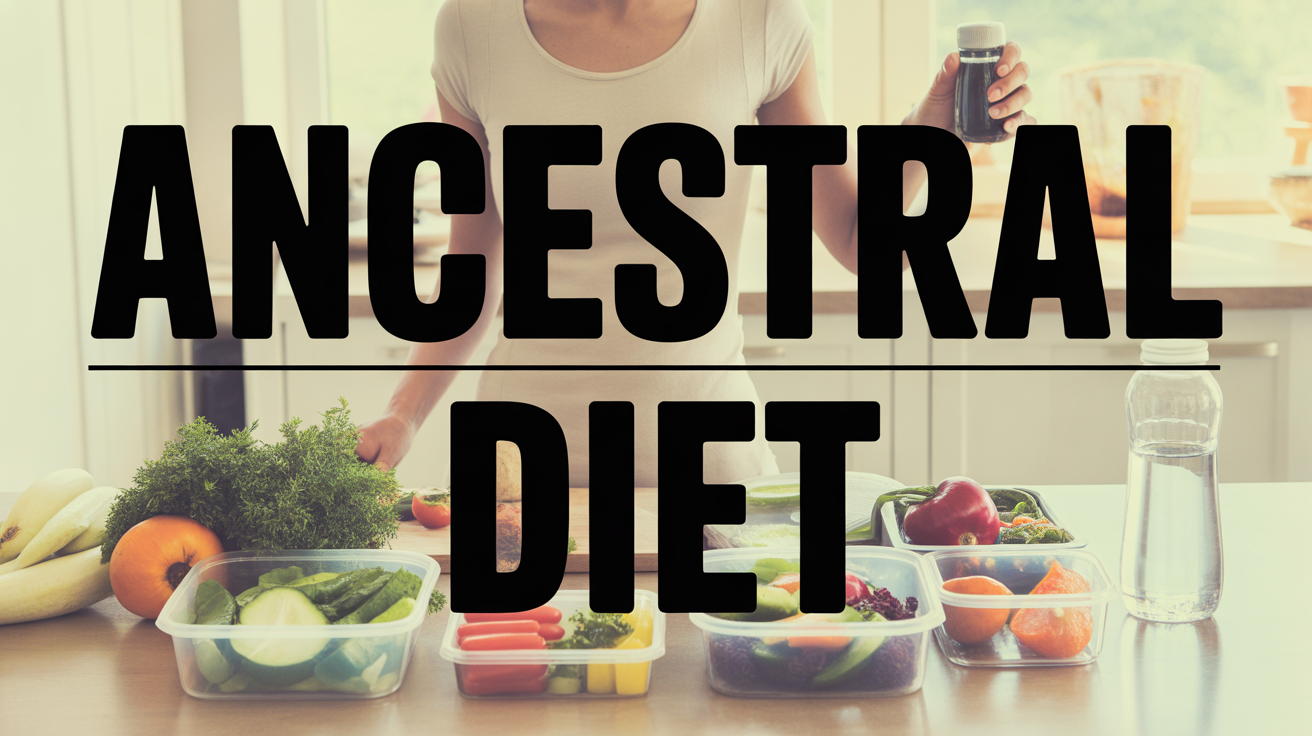
The ancestral diet is a whole-food eating framework modeled on the dietary patterns of pre-agricultural humans, emphasizing grass-fed meats, organ foods, wild-caught fish, seasonal produce, and fermented foods while eliminating ultra-processed foods, refined sugars, and industrial seed oils.
The diet works by removing dietary inputs that drive modern chronic disease and replacing them with nutrient-dense whole foods. Hunter-gatherer research shows ancestral diets averaged 35% fat, 35% carbs, and 30% protein, with an omega-6 to omega-3 ratio of 2:1 versus today’s inflammatory 20:1. Processed food elimination restores satiety signaling and gut diversity.
This guide covers what the ancestral diet is, how it compares to the paleo diet, what the research says about its benefits for gut health, weight management, and inflammation, which foods are included, and how to start the transition without overhauling your entire routine at once.
What Is the Ancestral Diet?
The ancestral diet is a whole-food dietary framework based on the eating patterns of pre-agricultural hunter-gatherer humans, prioritizing nutrient-dense animal proteins, healthy fats, seasonal produce, and fermented foods while eliminating ultra-processed foods, refined sugars, and seed oils.
The concept is rooted in evolutionary biology. Human genetics have changed very little since the Paleolithic era. Proponents argue that modern chronic diseases, including obesity, diabetes, and autoimmune disorders, are largely driven by a mismatch between our biology and the industrial food supply.
And here’s the key distinction: the ancestral diet isn’t a rigid meal plan. It’s a framework. One that prioritizes sourcing quality whole foods, eating what’s in season, and removing the processed ingredients our physiology was never designed to handle.
How Does the Ancestral Diet Differ From the Paleo Diet?
The paleo diet is a specific subset of ancestral eating that focuses on the Paleolithic era (approximately 2.6 million to 10,000 BCE), while the broader ancestral diet framework encompasses multiple cultural and regional eating traditions, including Mediterranean, Inuit, and traditional hunter-gatherer patterns.
The paleo diet tends to be more prescriptive. The ancestral diet is more flexible, allowing whole grains, legumes, and full-fat dairy if they’re sourced traditionally and tolerated well. Both share the same core principle: eliminate processed foods and return to nutrient-dense whole food eating.
Ancestral Diet vs Paleo:
| Feature | Ancestral Diet | Paleo Diet |
| Time period | Any pre-industrial era | Paleolithic era only |
| Dairy | Allowed (full-fat, traditional) | Excluded |
| Grains | Allowed if whole and tolerated | Excluded |
| Flexibility | High, regional variation | More prescriptive |
What Did Our Hunter-Gatherer Ancestors Actually Eat?
Research on modern hunter-gatherer communities shows ancestral diets were comprised of approximately 35% calories from fat, 35% from carbohydrates, and 30% from protein, with fat predominantly polyunsaturated and an omega-6 to omega-3 ratio of 2:1 — compared to today’s inflammatory 20:1 ratio.
Animal foods dominated most ancestral diets. Grass-fed meats, wild-caught fish, organ meats, eggs, and animal fats were primary protein and energy sources. These foods provided preformed vitamin A, vitamin B12, heme iron, choline, and glycine at concentrations unavailable in plant foods alone.
Plant foods were seasonal and foraged. Roots, tubers, fruits, nuts, seeds, and fibrous vegetables varied by region and season. This diversity, combined with fermented foods like naturally preserved vegetables and raw dairy, supported a robust gut microbiome that modern diets largely destroy.
How Does the Ancestral Diet Work?
The ancestral diet works by removing the dietary inputs that drive modern chronic disease, primarily ultra-processed foods, refined sugars, and industrial seed oils, and replacing them with nutrient-dense whole foods that supply vitamins, minerals, and fatty acids in their most bioavailable forms.
The mechanism isn’t caloric restriction. It’s nutritional quality. Whole foods trigger appropriate satiety hormones, support healthy gut bacteria, and deliver micronutrients that processed foods strip away. The result is reduced inflammation, improved metabolic function, and stable energy without blood sugar crashes.
Why Does Eliminating Processed Foods Matter So Much?
Ultra-processed foods are associated with higher risk of heart disease, type 2 diabetes, obesity, and early death, according to multiple large-scale studies — and the ancestral diet’s elimination of these foods is the primary mechanism behind its reported health benefits.
The problem isn’t just calories. It’s the specific compounds: refined sugars drive insulin resistance and energy crashes. Inflammatory seed oils (canola, soybean) shift the omega-6 to omega-3 ratio toward a chronic inflammatory state. Artificial additives disrupt gut bacteria and metabolic signaling.
In plain English: modern processed food isn’t just empty nutrition. It actively disrupts the hormonal and microbial systems that regulate weight, mood, immunity, and energy. Removing it isn’t deprivation. It’s removing a source of physiological interference.
Problems With Ultra-Processed Foods:
- High refined sugar content drives insulin resistance and energy crashes
- Inflammatory seed oils shift omega-6 to omega-3 ratio to 20:1
- Artificial additives disrupt gut bacteria and metabolic signaling
- Calorie-dense but nutrient-poor, causing fullness without nourishment
What Macronutrient Ratio Did Ancestral Diets Follow?
Ancestral diets averaged approximately 35% of calories from fat, 35% from carbohydrates, and 30% from protein, with fat sources heavily skewed toward polyunsaturated and saturated fats from animal products rather than the industrial seed oils dominant in today’s Western diet.
The omega-6 to omega-3 ratio in ancestral diets was approximately 2:1. The modern Western diet averages 20:1 in favor of pro-inflammatory omega-6 fats. This shift alone is considered a major driver of the chronic inflammation linked to heart disease, autoimmune conditions, and metabolic dysfunction.
What Are the Benefits of the Ancestral Diet?
The ancestral diet delivers health benefits primarily through nutritional density and inflammatory reduction — replacing empty-calorie processed foods with whole foods rich in bioavailable vitamins, minerals, omega-3 fats, and fiber that directly support gut, metabolic, hormonal, and immune function.
The good news? You don’t need to hunt deer or raise chickens to see results. The core principle is straightforward: source the best quality whole foods your budget allows and remove the processed inputs that disrupt your physiology.
Core Benefits of Ancestral Eating:
- Improved digestion and gut microbiome diversity
- Reduced chronic inflammation
- Better hormone regulation and energy stability
- Weight management without calorie counting
- Stronger immune function and reduced disease risk
Does the Ancestral Diet Improve Gut Health?
Yes. The ancestral diet supports gut health through multiple mechanisms: bone broth supplies collagen, gelatin, and amino acids that repair the gut lining; fermented foods introduce beneficial bacteria; and the high fiber from diverse plant foods feeds the gut microbiome that modern low-fiber diets starve.
Bone broth is particularly effective for individuals with IBS, leaky gut, or chronic bloating. The glycine and proline in bone broth directly support tight junction repair in the intestinal lining, reducing intestinal permeability that drives systemic inflammation in many people with modern gut dysfunction.
Can the Ancestral Diet Help With Weight Loss?
Yes. The ancestral diet supports weight loss by eliminating the primary drivers of overconsumption, refined sugars and hyper-palatable processed foods, and replacing them with whole foods that trigger appropriate satiety hormones, reducing caloric intake naturally without tracking or restriction.
The mechanism is hormonal. Whole foods rich in protein and fat trigger leptin and cholecystokinin release, signaling fullness effectively. Removing refined carbohydrates stabilizes insulin, ending the blood sugar cycle of spike, crash, and craving that drives excess caloric intake in processed food diets.
Ready to start losing weight the ancestral way? Get a proven whole-food plan built around these exact principles.
Does the Ancestral Diet Reduce Inflammation?
Yes. The ancestral diet reduces chronic inflammation by correcting the omega-6 to omega-3 imbalance through whole food fat sources — replacing seed oils with grass-fed animal fats, wild fish, and olive oil shifts the ratio back toward the 2:1 ancestral baseline associated with reduced inflammatory markers.
The elimination of refined sugars removes a key inflammatory trigger. Elevated blood glucose drives production of advanced glycation end-products (AGEs) and activates inflammatory cytokine pathways. Stable blood sugar on an ancestral diet suppresses this cycle at the source.
What Do You Eat on the Ancestral Diet?
The ancestral diet centers on grass-fed and pasture-raised meats, wild-caught seafood, organ meats, eggs, seasonal fruits and vegetables, nuts and seeds, healthy animal and plant fats, and fermented foods — while eliminating all ultra-processed foods, refined sugars, seed oils, and artificial additives.
The aim is sourcing food as close to its natural state as possible. Local, seasonal, and minimally processed is the operating principle. This doesn’t require farming your own land. It means choosing grass-fed over grain-fed, wild-caught over farmed, whole grain over refined where grains are included.
What Animal Foods Are Central to Ancestral Eating?
Animal foods are the nutritional backbone of the ancestral diet, providing preformed vitamin A (retinol), vitamin B12, heme iron, choline, omega-3 fats, and glycine from connective tissue, all nutrients that appear at low concentrations or in less bioavailable forms in plant foods.
Core Animal Foods:
- Grass-fed beef, lamb, venison, bison
- Wild-caught fatty fish: salmon, mackerel, sardines, anchovies
- Organ meats: liver, kidneys, heart (rich in vitamin A, B12, iron)
- Pasture-raised eggs and poultry
- Animal fats: tallow, lard, duck fat, bone marrow
- Bone broth for collagen and gut support
What Plant Foods Fit the Ancestral Diet?
Plant foods on the ancestral diet are selected for seasonal availability, nutrient density, and minimal processing — prioritizing fresh vegetables, fruits, nuts, seeds, roots, and tubers, with whole grains and legumes included only when traditionally prepared and individually tolerated.
Seasonal eating is central. Ancestral diets varied by region. Eating produce at peak seasonal ripeness ensures maximum nutrient content and variety across the year, supporting the gut microbiome diversity that chronic year-round consumption of the same produce undermines.
Ancestral Plant Food Categories:
- Vegetables: leafy greens, root vegetables, cruciferous varieties
- Fruits: seasonal berries, stone fruits, citrus
- Nuts and seeds: walnuts, almonds, flaxseed, chia
- Healthy fats: avocado, olive oil, coconut oil
- Fermented foods: sauerkraut, kimchi, kefir (where tolerated)
What Are the Risks and Challenges of the Ancestral Diet?
The ancestral diet carries practical risks including potential contamination from organ meats and raw dairy if not properly sourced, nutrient gaps in poorly planned versions, and the financial and logistical challenge of consistently sourcing high-quality, minimally processed animal products.
Here’s what no one tells you: the quality of the source matters as much as the food type. Grass-fed liver from a trusted local farm is nutritionally dense. Conventionally raised factory-farmed liver carries higher risk of toxin accumulation. The ancestral principle demands sourcing standards most people have never applied.
Who Should Be Cautious With the Ancestral Diet?
Individuals with kidney disease, cardiovascular risk factors, or pre-existing metabolic disorders should consult a physician before adopting the ancestral diet’s high protein and saturated fat intake — particularly regarding organ meat frequency and the impact of high dietary fat on individual lipid profiles.
Raw milk and unfermented raw animal products carry pathogen risks and are not universally safe to consume. Experts recommend steering clear of uncertified sources and relying on third-party tested products for the most vulnerable nutritional components of ancestral eating.
How Do You Start the Ancestral Diet Today?
Starting the ancestral diet begins with one foundational swap: eliminate ultra-processed foods and industrial seed oils first, then progressively replace them with whole-food equivalents, prioritizing grass-fed meats, wild-caught fish, pasture-raised eggs, and seasonal vegetables as the meal base.
The transition doesn’t need to happen overnight. Our team at Millennial Hawk recommends a phased approach. Week one: remove seed oils and replace with tallow, butter, or olive oil. Week two: add one organ meat meal. Week three: incorporate bone broth. Each swap builds the foundation without overwhelming a modern-conditioned palate.
Practical Steps to Start:
- Replace seed oils (canola, soybean) with tallow, butter, or olive oil
- Swap processed snacks for nuts, seeds, and fruit
- Add one grass-fed meat meal per day as the protein anchor
- Introduce bone broth as a daily gut-support base
- Try one organ meat (beef liver) once per week for micronutrient density
Want Your Free Ancestral Diet Meal Plan From Millennial Hawk?
You have the science. Now you need the plan. The team at Millennial Hawk put together a free ancestral diet meal plan that maps out what to eat, where to source it, and how to phase the transition from a processed-food diet to ancestral eating, without the overwhelm of doing it cold.
Don’t guess your way through the first week. Get the exact food list, meal templates, and week-by-week swap guide sent straight to your inbox. Tap the link to grab your free plan now.