
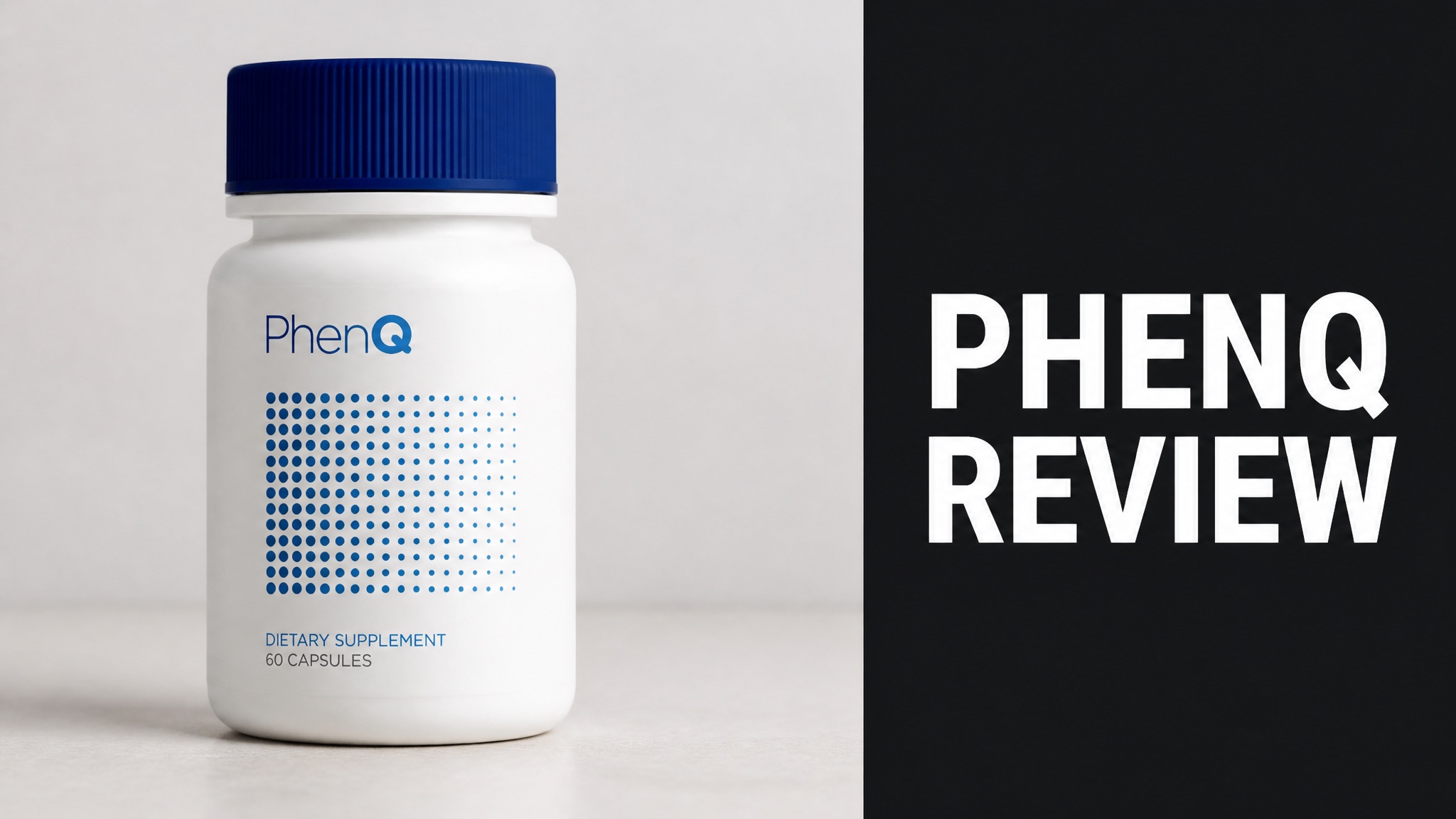
PhenQ is an over-the-counter weight loss supplement made by Wolfson Brands (UK) Limited. The brand sells it as a five-in-one formula taken as two capsules daily. It does not contain phentermine. Buyers search for a PhenQ review because the claims are big and the price is high, and honest answers are rare to find.
The formula leans on caffeine, Capsimax, nopal cactus and chromium. Caffeine has the strongest evidence, while most other ingredients show weak results. Users report mild appetite and energy effects. Side effects trace back to caffeine alone. Pricing starts at $79.99 per bottle, with a 60-day refund policy that limits the financial risk for buyers.
Independent reviewers estimate a small gain beyond diet and exercise. The sections below cover ingredients, results, safety, price and alternatives. By the end, readers will know whether PhenQ earns a place in the daily routine or a permanent spot in the kitchen cabinet at home today.
What Is PhenQ?
PhenQ is an over-the-counter dietary supplement marketed for weight management and fat burning. Wolfson Brands (UK) Limited makes the capsules and sells them mainly through the official website. Here’s the short version: the daily dose is two capsules, and the product is a multi-action pill, not a drug. The brand calls the formula science-backed support.
Who is it built for? The brand targets busy adults who want extra support alongside diet and exercise. The capsules suit vegetarians and vegans. They are not meant for children or for pregnant or breastfeeding women.
Does PhenQ Contain Phentermine?
No. PhenQ does not contain phentermine, the prescription stimulant that its name resembles. The product is a legal over-the-counter supplement built from caffeine, capsicum, amino acids and minerals. Phentermine is a regulated medication that a doctor must prescribe, so the two products sit in different categories. Buyers need no prescription to buy it.
To be clear, the name creates the confusion. PhenQ borrows the ‘Phen’ prefix, but the formula has no relation to the drug. Buyers expecting prescription-strength appetite control get a caffeine-led supplement instead.
How Does PhenQ Work?
PhenQ works through a multi-ingredient formula that targets fat burning, appetite and energy at the same time. The brand calls it a five-in-one approach. Caffeine and Capsimax raise energy use, while nopal cactus and chromium picolinate aim at cravings. In practice, the effect depends heavily on diet and daily activity. Users still need a calorie deficit.
Does one pill really do five jobs? Not on its own. Wolfson Brands claims several mechanisms, yet Second Nature notes that no clinical trial has tested this exact combination of ingredients.
What Are PhenQ’s Five Claimed Actions?
The manufacturer lists five claimed actions that define the PhenQ formula. Each action targets a different obstacle that dieters report, from stubborn fat to low mood. Keep in mind that these are marketing claims, and independent evidence backs only some of them. The list below shows each claim as the brand states it on its official product page today.
Claimed Actions:
- Burns stored fat through thermogenesis
- Suppresses appetite and reduces cravings
- Blocks new fat production
- Boosts energy levels
- Improves mood during dieting
Here’s the part most people miss: the ‘blocks new fat production’ claim has the weakest support. Second Nature found no robust evidence for it.
What Is in PhenQ?
The PhenQ formula combines caffeine, Capsimax, alpha-lipoic acid, nopal cactus, chromium picolinate and L-carnitine in two daily capsules. A proprietary blend called α-Lacys Reset also appears on the label. Second Nature counts eight main ingredients in total, including B-vitamins and iodine. Calcium carbonate, magnesium, niacin and piperine also appear.
The dosing is a problem. Because the blend is proprietary, buyers can’t easily compare each amount with the doses used in research. In fact, that gap makes the marketing claims hard to verify.
Which PhenQ Ingredient Has Strong Evidence?
Caffeine is the only PhenQ ingredient with strong supporting evidence. A daily dose holds about 150 mg, which equals roughly 1.5 cups (355 ml) of brewed coffee. Research links caffeine to higher energy expenditure and more fat oxidation. Both BarBend and Second Nature rank it as the most effective component. Studies tie it to alertness and lower hunger.
The catch? One or two cups of coffee give the same boost. So the main active ingredient in the capsules costs far less in a mug.
Which PhenQ Ingredients Lack Evidence?
Most other PhenQ ingredients show weak or modest results in independent research. Second Nature rates nopal, L-carnitine and chromium picolinate as poor. Capsimax earns a moderate rating, and α-Lacys Reset rests on industry-funded studies only. The table below sums up the picture. Most of these ingredients appear at doses below those used in trials.
Ingredient Evidence:
| Ingredient | Evidence | Reality Check |
|---|---|---|
| Capsimax | Moderate | Burns roughly 50-100 extra calories daily |
| Nopal cactus | Poor | Meta-analysis found no significant weight effect |
| L-Carnitine | Poor | Research does not support the fat-loss claims |
| Chromium picolinate | Poor | Loss of about 1.1 kg (2.4 lb), clinically irrelevant |
| α-Lacys Reset | Poor | Only industry-funded studies exist |
Chromium is a good example. A meta-analysis of 10 trials found a small effect, and its authors called the clinical relevance debatable. BarBend reports the same finding.
Does PhenQ Work?
Yes. PhenQ delivers a modest effect that depends on diet and exercise. Second Nature estimates an extra 1-3% weight loss beyond lifestyle changes. That equals roughly 1-2 kg (2.2-4.4 lb) over several months. No trial has tested the full formula, so real results vary widely. The effect is real for some users and absent for others. Individual outcomes differ.
What does that mean for buyers? The brand says most users notice changes within 3-4 weeks. It recommends 3 to 6 months of use alongside a balanced diet. Those figures come from the manufacturer, not from independent trials.
What Do Positive PhenQ Reviews Say?
Positive PhenQ reviews mention reduced hunger, steady daytime energy and gradual weight loss. Users who pair the capsules with a lower-calorie diet and regular walking report the best outcomes. The official site features testimonials, including one user who claims 44 lbs (20 kg) lost in three months. Many reviewers describe an easy routine. Some praise it.
Reported Positives:
- Reduced hunger between meals
- Steady daytime energy
- Gradual weight loss with diet and exercise
- Simple two-capsule routine
Now watch this: the same page adds that results vary from person to person. The brand selects its featured testimonials, so they don’t represent the typical buyer.
What Do Negative PhenQ Reviews Say?
Negative PhenQ reviews describe mild results, side effects and the cost of the supplement. Some users say the effects fade after a few weeks. Others report jitteriness, a faster heart rate, headaches and poor sleep. These are typical caffeine reactions. Critics also cite a monthly cost that adds up, and marketing claims bigger than the results seen.
How do customers rate the brand overall? Darwin Nutrition cited 112 Trustpilot reviews with a 3.7 out of 5 average. The score is middling, and it sits well below the glowing testimonials on the official site.
How Does PhenQ Compare to Alternatives?
PhenQ competes with prescription drugs, other supplements and plain coffee. Each alternative differs in cost, evidence and risk. Second Nature argues that GLP-1 medications and behaviour change programmes beat any over-the-counter fat burner. The comparisons below show where PhenQ stands against two common rivals. Costs, risks and evidence differ widely.
Which rival matters most? The answer depends on the goal. Buyers who want a stimulant boost can look at coffee. Buyers who want strong appetite control need a doctor and a medical option.
Is PhenQ Better Than Phentermine?
No. Phentermine is a stronger prescription appetite suppressant, while PhenQ is a milder supplement. A doctor must prescribe phentermine, and the drug carries medical risks that require monitoring. PhenQ needs no prescription, but its effect is also far smaller. Doctors weigh those risks case by case, and PhenQ offers no comparable medical supervision.
The trade-off is simple. Phentermine brings stronger results with medical oversight. PhenQ brings easier access with weaker, less proven results.
Is PhenQ Better Than Coffee?
No. Coffee delivers the same proven caffeine benefit as PhenQ at a fraction of the price. A daily PhenQ dose contains about 150 mg of caffeine, which matches roughly 1.5 cups (355 ml) of brewed coffee. Second Nature calls caffeine the one ingredient with strong evidence. Coffee also costs far less per day, and cups adjust easily to personal tolerance.
PhenQ vs Alternatives:
| Option | Type | Prescription | Main Active |
|---|---|---|---|
| PhenQ | Supplement | No | Caffeine plus several others |
| Phentermine | Drug | Yes | Phentermine |
| Coffee (1.5 cups) | Beverage | No | About 150 mg caffeine |
Think of it this way: the capsules add convenience, not a better stimulant. The other ingredients add little that research can confirm.
Is PhenQ Safe?
Yes. PhenQ is generally well tolerated by healthy adults, according to the manufacturer. Independent sources add that the main risks come from the caffeine content. Wolfson Brands makes the capsules in GMP-certified facilities, and the product is not a regulated drug. Independent reviewers still caution that the capsules contain a real stimulant dose.
Short answer: a doctor visit still helps. The brand recommends medical advice first. That advice matters most for anyone with a health condition or a prescription.
What Are PhenQ Side Effects?
PhenQ side effects come mainly from its caffeine content. Users report jitteriness, a faster heart rate, headaches and disrupted sleep. The manufacturer also mentions mild digestive changes as the body adjusts. Taking the capsules after 3 PM raises the odds of sleep problems. Most reactions fade when the dose drops, and sensitive users feel them first.
Reported Side Effects:
- Jitteriness
- Increased heart rate
- Headaches
- Sleep disruption
- Mild digestive changes
Bottom line: avoid late-day dosing. The brand advises one capsule at breakfast and one at lunch, with plenty of water.
Who Should Avoid PhenQ?
Several groups need to avoid PhenQ or consult a doctor first. Children, pregnant women and breastfeeding women are not suitable users. Anyone sensitive to caffeine is also a poor fit. The label advises a doctor visit for people on blood pressure or diabetes medication. People with heart conditions or high blood pressure need a doctor’s approval first.
Why the caution? Each daily dose carries a stimulant load. Caffeine raises heart rate in some users, so medical advice matters.
How Much Does PhenQ Cost?
One bottle of PhenQ costs $79.99 for 30 servings, which works out to $2.66 per serving. Each serving is two capsules. Bundles lower the daily price, and the official store lists free shipping. BarBend calls the base price out of reach for some budgets. One month of use costs well above a typical supplement, and the table below shows each bundle clearly.
PhenQ Pricing:
| Offer | Price | Per Serving |
|---|---|---|
| 1 bottle | $79.99 | $2.66 |
| 3 bottles (2 plus 1 free) | $140 | $1.55 |
| 5 bottles (3 plus 2 free) | $209.99 | $1.39 |
The good news? Bundles cut the cost sharply. BarBend notes that popular fat burners run about $1.00 per day, so PhenQ sits above that average.
Where to Buy PhenQ?
PhenQ sells mainly through the official PhenQ website. Darwin Nutrition states that the brand sells its products exclusively there. Third-party listings on Amazon and eBay also appear in search results. Buyers pick the official store for the stated refund terms. Prices on those marketplaces vary, so buyers compare them against the official listing.
Is there a refund policy? Yes. The brand offers a 60-day money-back guarantee. Darwin Nutrition notes that empty and unopened bottles qualify within 67 days of delivery, and the sender pays return shipping.
Is PhenQ Worth It?
No. PhenQ offers modest benefits that rarely justify its price for most buyers. Caffeine drives the main effect, and coffee provides it more cheaply. Second Nature puts the likely gain at 1-3% extra weight loss, so lifestyle changes drive most results. Free alternatives, such as cooking at home and walking daily, deliver bigger gains at no cost at all.
Is there any upside? A simple two-capsule routine helps some buyers stay consistent. That value is real, but it’s small.
Is PhenQ Legit?
Yes. PhenQ is a real product made by Wolfson Brands, a British company founded in 2005. The company sells around forty supplements. It runs GMP-certified production and publishes a money-back policy. Legit does not mean effective, though, because the claims outrun the evidence. The brand also lists contact details and a clear returns process on its store.
Is PhenQ FDA approved? No. The FDA does not approve dietary supplements to treat obesity. BarBend’s FDA wording refers only to manufacturing rules, so that phrasing misleads.
Should You Try PhenQ?
Yes. Healthy adults who tolerate caffeine can try PhenQ as a low-risk add-on to diet and exercise. Expectations need to stay realistic. The supplement supports a plan and never replaces one. So, a clear routine matters more than the capsules. Anyone with a medical condition needs approval before the first capsule, and caffeine-sensitive buyers skip it.
How to Start Safely:
- Ask a doctor first, especially when taking medication.
- Take one capsule with breakfast and one with lunch.
- Skip doses after 3 PM to protect sleep.
- Pair the capsules with a balanced diet and regular exercise.
- Judge the results before the 60-day refund window closes.
In fact, that last step protects the budget. Buyers who see no change can request a refund.