
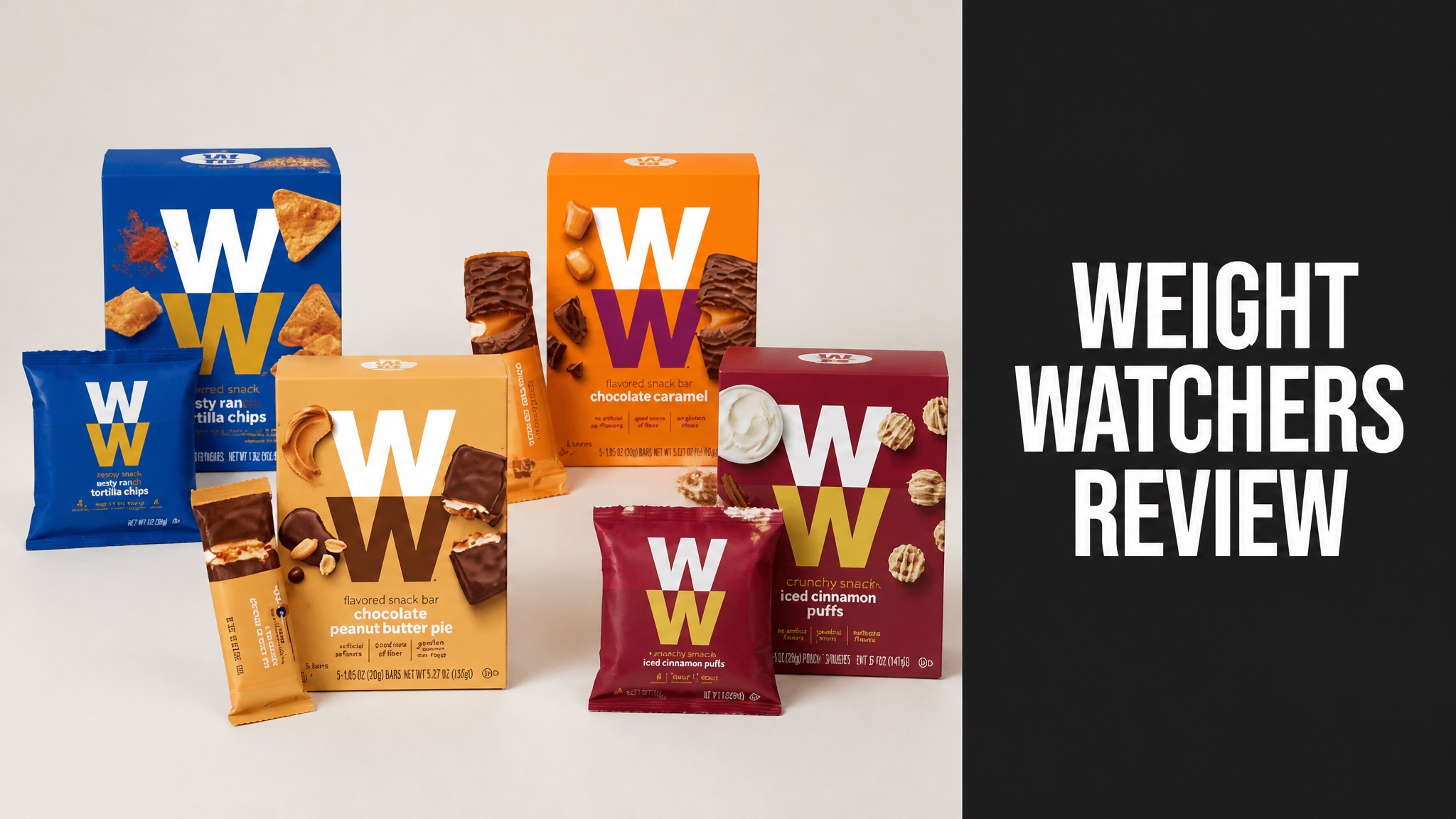
Weight Watchers, now branded WW, is a commercial weight loss program founded in 1963. It swaps calorie counting for a Points system and adds app tracking, coaching and workshops. Millions of members have joined since, so skeptical buyers want proof.
The program assigns each food a Points value and gives every member a personal daily budget. Studies show average losses near 6% of body weight in three months. Costs start at $23 per month, and cancelling draws steady complaints. Pricing, plans and side effects all matter before signing up.
The details below separate marketing claims from tested results. Expect clear answers on how the plan works, what real users report, how it compares with Noom, and whether the monthly fee is worth paying for your goals.
What Is Weight Watchers?
Weight Watchers is a commercial weight loss program that assigns Points to foods instead of asking members to count calories. Members get a daily and weekly Points budget and follow it through the WW app. No food is banned, so a scoop of ice cream fits if the budget allows it.
Here’s the thing: the plan covers more than food. The app also tracks water, sleep and activity. Depending on the tier, members add workshops, coaching or a medication track. Short answer: it’s a flexible lifestyle system, not a fixed menu.
Who Started Weight Watchers?
Jean Nidetch founded Weight Watchers in 1963 after inviting friends to weekly meetings in her New York living room. She had lost weight on a city health board program but missed the support. Those small gatherings grew into the global company that exists today.
The brand changed with the science. In the 1990s it introduced a Points system built on fiber, fat and calories. In 2018 the company rebranded to WW to signal a broader wellness focus. Why does that matter? The program now covers sleep, stress and movement too.
How Does Weight Watchers Work?
The program starts with a personal assessment that builds a custom Points budget around your habits and goals. Each food and drink carries a Points value. Members log meals in the app and stay inside the daily budget, with a weekly allowance as a buffer for slip-ups.
To be clear, the formula rewards better choices. Foods high in protein, fiber and unsaturated fats cost fewer Points. Added sugar and saturated fat cost more. So you steer toward whole foods without a strict menu or banned list.
Getting Started:
- Take the free personal assessment and quiz.
- Pick a plan and pay the starter fee.
- Receive your personal daily and weekly Points budget.
- Log every meal and drink in the app.
- Adjust choices to stay inside your budget.
How Do Weight Watchers Points Work?
Points convert calories, saturated fat, unsaturated fat, protein, fiber and added sugar into a single number for each food. The formula, called PersonalPoints, adapts to your body data. Two members eating the same meal may see different budgets because their goals differ.
Unused daily points roll over in part, and a weekly allowance covers extra days. Does this feel like dieting? Not really. You spend a budget the way you spend money, and nothing is off the table.
What Are ZeroPoint Foods?
ZeroPoint foods carry no Points value, so members eat them without measuring or logging. The list includes more than 200 items such as eggs, fish, chicken, tofu, beans, fruit and non-starchy vegetables. These foods anchor the plan around filling, nutrient-dense choices.
In fact, the list does real work on hunger. Members use ZeroPoint foods as a base for meals, as add-ons to a dish or as a snack. The catch? Portions still matter, and the list changes between plan versions.
What Features Does Weight Watchers Include?
Every membership includes the WW app with food tracking, barcode scanning, recipes, activity logs and a community forum. Higher tiers add workshops and coaching. The top tier adds clinical medication support. Each step up costs more, so the right tier depends on how much help you want.
Here is what members get across tiers. Think of it this way: the app is the engine, and workshops are the accountability layer on top. Some people need only the first. Others stay on track only with a coach.
Main Features:
- Personal Points budget and food tracker
- Barcode scanner and recipe database
- Workouts, sleep tools and meditations
- Community forum called Connect
- Live workshops with a coach
- Medication track through WW Clinic
What Does the Weight Watchers App Offer?
The WW app acts as the control center for tracking food, water, sleep, activity and weight in one place. Members scan barcodes, search a large recipe library and chat with a community. Meal planning tools and workouts sit in the same app, so nothing needs a second download.
And it gets better: the Connect forum lets members share progress and ask questions. Is the app perfect? No. Logging every bite takes time, and some users find the daily tracking tedious after a few weeks.
What Are the Benefits of Weight Watchers?
The program offers flexibility, research-backed results and community support that many strict diets lack. Healthline dietitians scored it 4.10 out of 5. Members choose how to spend Points, so vegans and people with allergies adapt it easily.
What’s more, no food is forbidden, which helps with adherence. Why does that matter? Rules that feel like punishment get broken. A budget feels like a choice, so members stick with it longer.
Main Benefits:
- Personal Points budget for every member
- No banned foods
- Online and in-person community support
- Short-term results backed by research
- Medication access for qualifying members
Does Weight Watchers Help You Lose Weight?
Yes. WW produces short-term weight loss that studies confirm, usually 0.5 to 2 pounds (0.23 to 0.9 kilograms) per week. One study of 152 adults with obesity found average losses near 6% of body weight in three months. A third lost 10% or more by six months.
The bad news? Results depend on consistent tracking. Members who skip logging lose less. Pay attention to this: the program works when you use it, and it fails when the app sits unopened.
Does Weight Watchers Work Long Term?
Evidence suggests WW beats standard weight loss education over a year, though recent long-term data is limited. A 2015 review of 39 controlled studies found members lost 2.6% more weight than those given standard advice after 12 months.
Two studies from 2018 and 2021 also found the program cost-effective against standard care. Still, newer long-term research is thin. Does that mean it fails later? No, but maintenance depends on keeping the habits after the weight comes off.
What Do Weight Watchers Reviews Say?
Reviews split into two camps: members who praise the flexibility and results, and customers who complain about billing and cancellation. Expert reviewers rate the program highly. Consumer sites show more frustration, mostly about money rather than about the diet itself.
In plain English: the plan gets credit, and the business practices get blame. Most negative reviews trace back to fees, not to the food approach. That split matters when deciding which risks you can accept.
What Do Positive Weight Watchers Reviews Say?
Happy members praise the freedom to eat favorite foods, the simple Points math and the strong community. Reviewers who tracked for 30 days report steady drops without cutting out whole food groups. Many say the budget made restaurant meals and parties feel manageable.
Experts agree on the habit side. A food-first approach teaches portion awareness that outlasts the subscription. So what do users like most? Flexibility, support and a plan that bends around real life.
What Are the Common Weight Watchers Complaints?
The most frequent complaints involve cancellation fees, hard-to-cancel memberships and confusing pricing tiers. The company has faced legal scrutiny over cancellation practices. Customers report being charged after trying to cancel, which drives most one-star reviews.
Other gripes are smaller. Daily logging is time-consuming, and the plan doesn’t guarantee a balanced diet. Here is the kicker: you can pick junk food and still fit it into your Points, so smart choices stay your job.
How Does Weight Watchers Compare With Competitors?
Weight Watchers competes with Noom, Ro Body and Calibrate on price, support style and medication access. It leads on coaching options and in-person workshops. Rivals lean on psychology lessons or medical programs, so the best pick depends on what motivates you.
By comparison, WW offers the widest range of support tiers. Medication plans start at $74 to $84 per month and include the full program. Noom Med costs extra on top of its app subscription, so the totals diverge fast.
Weight Watchers vs Competitors:
| Program | Approach | Support |
|---|---|---|
| Weight Watchers | Points budget | App, workshops, coaching |
| Noom | Psychology lessons | App, coaching, daily weigh-ins |
| Ro Body | Medication focus | Clinician access |
| Calibrate | Medication and coaching | Clinician and coach |
Is Weight Watchers Better Than Noom?
For most people, Weight Watchers is the better fit because it tracks food directly while Noom focuses on habit psychology. Both programs allow all foods and use apps. Noom asks members to weigh in daily, which suits some people and stresses others.
Who wins? It depends on your problem. If tracking helps you, pick WW. If emotional eating drives the weight, Noom’s lessons may serve you better. Both cost money, so test your style before committing.
What Are the Side Effects and Risks of Weight Watchers?
The standard Points plan carries low physical risk because it allows all foods and asks for gradual loss of 0.5 to 2 pounds (0.23 to 0.9 kilograms) weekly. The main risks are behavioral and financial. Heavy tracking can feed unhealthy food obsession in some people.
To put it simply: the diet itself is mild, but the mindset can bite. Anyone who feels guilt over food choices or routinely restricts should seek professional support first. The medication track adds its own drug side effects.
Who Should Be Careful:
- People with a history of disordered eating
- Anyone who feels guilt around food choices
- Members starting weight loss medication
- Pregnant women without doctor approval
Is Weight Watchers Safe and Legit?
Yes. Weight Watchers is a legitimate company founded in 1963 with published research behind its program. The plan follows mainstream nutrition advice on portions, fiber and lean protein. Dietitians at Healthline scored it highly for weight loss and adherence.
The legitimacy concern is billing, not safety. Read the cancellation terms before paying. Does the diet harm healthy adults? Generally no, but check with a doctor if you have a medical condition.
How Much Does Weight Watchers Cost?
Weight Watchers costs $23 per month for the Points plan, plus a $20 starter fee, with workshop and medication tiers priced higher. Commitment bundles cut the monthly price. Examples include $15 per month for three months or $10 per month for ten months.
Here’s why plans differ: workshops add live coaching and run $45 per month at standard rates. Medication plans start near $74 to $84 per month, before drug costs. Watch the post-commitment price jump, because the standard rate returns automatically.
Weight Watchers Pricing:
| Plan | Monthly Price | Includes |
|---|---|---|
| Points Program | $23 | App, budget, community |
| Workshops | $45 | Points plus live coaching |
| Medication | $74-$84 | Workshops plus clinic care |
Is Weight Watchers Worth the Price?
Yes, if you use the app daily and value structure, because the cost is lower than most coaching programs. At $23 per month, the Points plan costs under $1 per day. Dietitians rate its value highly for people who need accountability.
Now here is the thing: unused memberships are wasted money. If you quit logging after two weeks, the fee buys nothing. Short answer: pay only if you will commit, and choose the cheapest tier that gives you enough support.
How Do You Cancel Weight Watchers?
Cancellation requires following the company’s account steps before the next billing date, and early cancellation fees may apply. Commitment plans lock members into a set term. Leaving early can trigger a fee, which explains most billing complaints online.
Here is what no one tells you: screenshot your cancellation confirmation. Then check your card statement the next month. Why bother? Customers report charges that continued after they believed they had cancelled.
Where Can You Buy Weight Watchers?
You sign up directly on the official WW website or inside the WW app, where a short quiz recommends a plan. There is no physical product to buy. Workshops run at studio locations and online, so members pick in-person or virtual support.
Buy only from the official site. Promotions change often, and the best deals appear as commitment bundles. So what should you do first? Take the free quiz, compare the tiers and read the cancellation terms before entering payment details.
Sign-Up Steps:
- Visit the official WW website or app.
- Take the free quiz to find your plan.
- Compare the monthly price and commitment term.
- Read the cancellation policy.
- Pay the starter fee and start tracking.
Is Weight Watchers Worth It?
Yes. Weight Watchers is worth it for people who want flexible structure, accountability and a program with real research behind it. The results are solid, the cost is moderate and no foods are banned. The drawbacks are fees and daily tracking.
Bottom line: it works if you work it. Members who log meals, use the community and pick the right tier lose weight steadily. Members who want effortless results should look elsewhere.
Should You Try Weight Watchers?
Yes, try Weight Watchers if you like tracking, want community support and prefer a plan that allows all foods. Skip it if logging stresses you or if you have a history of disordered eating. Start with the cheapest tier.
The good news? You can test it for a few months on a commitment plan. Ask yourself one question first: will you open the app every day? If the answer is yes, the odds favor you.