
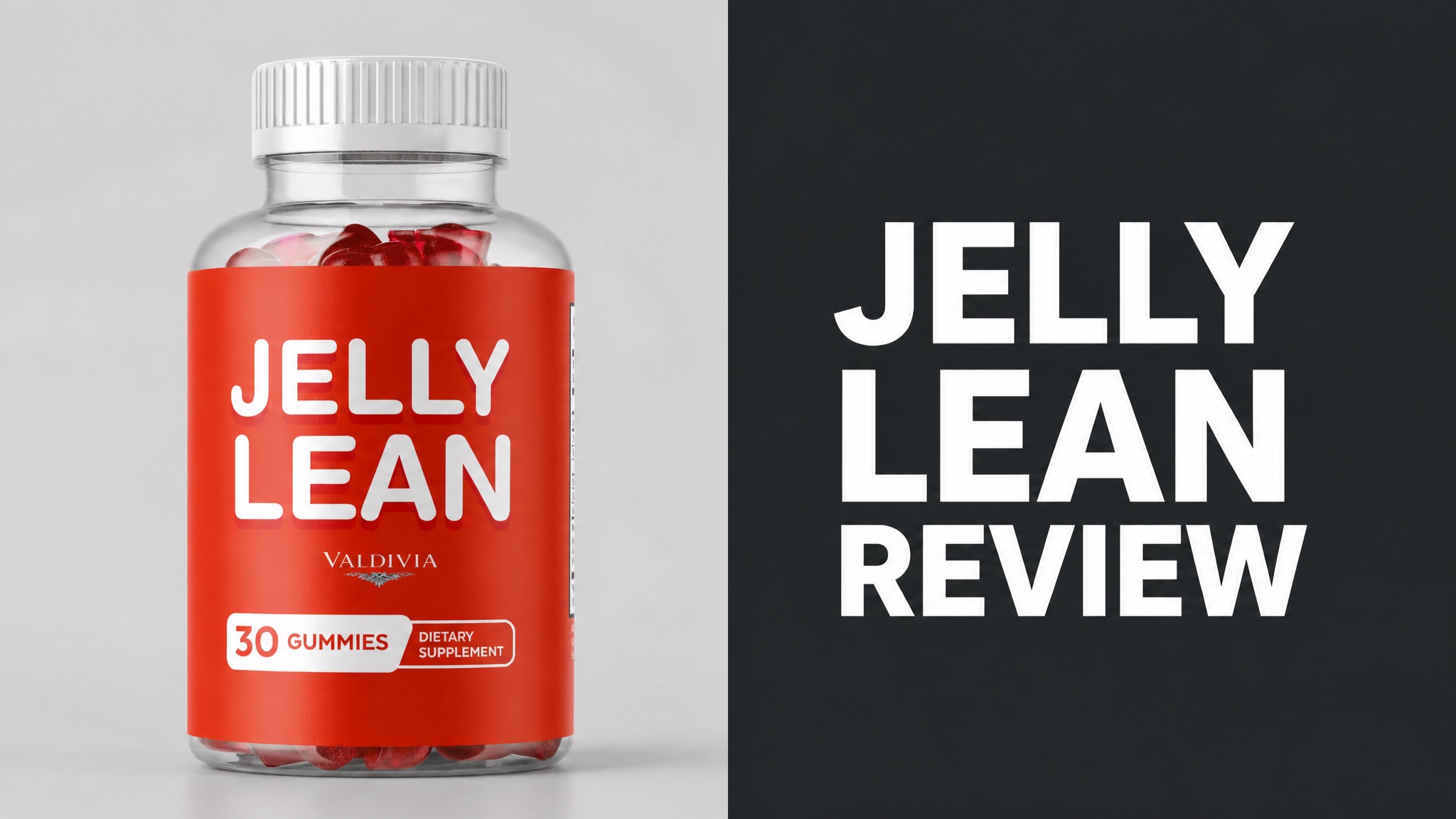
Jelly Lean is a chewable gummy supplement sold for weight loss and appetite support. Ads push it with celebrity names and a gelatin trick story. Sellers span Amazon, Walmart, eBay, and a brand site. Buyers want to know if it works. Claims about metabolism and fullness drive most of the marketing.
The ingredient lists conflict across sources. No trial tests the finished gummy. Glucomannan shows little to no weight-loss effect, per the NIH. Reviews split between brief praise and refund complaints. The BBB lists unanswered complaints and no accreditation. Celebrity endorsements appear in ads that the named people disown. Sellers disagree on formula.
Taken together, the evidence points to a weak product with a risky sales funnel. The sections below cover ingredients, side effects, reviews, refunds, and safer alternatives. Readers get a clear verdict before spending any money. Each answer comes from the sources fetched during research.
What Is Jelly Lean?
Jelly Lean is a chewable gummy supplement marketed for weight management, appetite control, and daily energy. Sellers call the product plant-based and non-stimulant. Short answer: it’s a dietary supplement, not a drug. Marketing pages push it through long advertorials, celebrity names, and a gelatin trick story. Buyers meet it mostly through social ads.
The brand sits in a crowded gummy category. In fact, Walmart, Amazon, and eBay all list products under the Jelly Lean name. Third-party sellers run most of these listings, so label details vary from page to page.
Quick Facts:
- Format: chewable gummy
- Claimed use: weight, appetite, and energy support
- Legal status: dietary supplement, not an approved drug
- Pack size: 30 or 60 gummies, depending on the listing
Who Sells Jelly Lean?
Jelly Lean is sold by several parties, and no single seller is clearly in charge of the product. A press release lists a distributor address in Aurora, Colorado. The BBB profile places the business in Largo, Florida. Walmart shows a third-party seller named Gukita. Each seller gives different contact details, and none links to a verified manufacturer page.
Mixed seller details raise a basic trust question. Who answers a refund request? Buyers can’t tell from the listings alone, and the BBB says the business failed to respond to 16 complaints.
What Is in Jelly Lean?
Jelly Lean carries two different ingredient stories, depending on which source describes the formula. One review guide lists Cissus quadrangularis, broccoli sprout extract, acetyl L-carnitine, pine pollen extract, glucomannan, and beetroot extract. A press release names apple cider vinegar and BHB salts instead. Both claim to describe the same gummy.
Neither list comes from a verified lab report. Here’s the thing: supplement labels can change between batches and sellers. Buyers need to check the bottle in hand.
Ingredient Claims by Source:
| Source | Ingredients Listed |
|---|---|
| Review guide (Google Sites) | Cissus quadrangularis, broccoli sprout, acetyl L-carnitine, pine pollen, glucomannan, beetroot |
| Press release (GlobeNewswire) | Apple cider vinegar, calcium BHB, magnesium BHB, sodium BHB |
| Scam report (Malware Tips) | No verified formula, treated as a templated funnel product |
Do the Ingredient Lists Match?
No. The two lists share almost no ingredients, which points to inconsistent labeling across sellers and sources. The review guide never mentions apple cider vinegar or BHB. The press release never mentions glucomannan or Cissus. One formula can’t be both. Bottles may differ by seller or batch. The mismatch alone justifies serious caution before any purchase.
Why does this matter? Shifting formulas make safety checks pointless. Anyone with an allergy can’t trust an online list. The physical label is the only reliable source.
How Does Jelly Lean Work?
Jelly Lean claims to work through appetite support, metabolism support, and steady daily energy. Fiber such as glucomannan is meant to promote fullness. Acetyl L-carnitine is linked to energy use. Apple cider vinegar and BHB salts are said to curb hunger and raise ketones. Each claim rests on ingredient theory, not on testing of the gummy. Proof is missing.
These are marketing mechanisms, not proven results. To be clear, the maker describes support, not treatment. Ingredient research exists, but the gummy dose is never shown in the sources.
The NIH Office of Dietary Supplements notes that glucomannan absorbs water in the gut. The idea is fullness. Its overall weight-loss effect appears to be little to none.
Is the Jelly Gelatin Trick Real?
No. The gelatin trick works as advertising bait, not as a verified weight-loss method for anyone. Malware Tips describes ads built around a bariatric gelatin recipe and celebrity claims. The page then pivots to selling a bottle. None of the sources shows gelatin burning fat. Buyers who expect a recipe get a product pitch. No verified results follow.
The reason is simple: a secret recipe feels exclusive. Why does the hook work? Viewers keep watching for the reveal. The sales page then frames the product as the real solution.
Does Jelly Lean Work for Weight Loss?
No. Jelly Lean has no published clinical trial showing weight loss from the finished gummy. Sources cite studies on single ingredients only. A press release calls the research supportive, yet it names no trial of the product. Results from one ingredient don’t transfer to a gummy with an unknown dose. Marketing language fills the gap where proof should sit.
Malware Tips cites FTC warnings against ads that promise weight loss without diet or exercise. The Jelly Lean guide itself says the gummy only complements a wider routine. Both points undercut big claims.
Could a gummy still help someone stay consistent? Maybe, for some people. But the effect would come from the routine, not the formula.
Does Glucomannan Help You Lose Weight?
No. Glucomannan is a soluble fiber that swells in the gut, yet its weight-loss effect appears small. The NIH Office of Dietary Supplements says the overall effect is little to none. Side effects include gas, loose stools, constipation, diarrhea, and abdominal discomfort in some users. Dose and diet habits matter far more than the fiber itself. Dose counts.
Fullness feels real for some people. Does that equal fat loss? Not on its own, because portion habits still decide the outcome.
What Do Jelly Lean Reviews Say?
Jelly Lean reviews split sharply between a few happy buyers and a larger group of refund complaints. Walmart shows 3.9 out of 5 from 10 ratings and 4 written reviews. The BBB profile lists refund disputes. Scam-report sites call the sales funnel deceptive and built on fake authority. Reviews on retail pages stay thin and mixed. Both groups lack verification.
Sample sizes are tiny. In fact, four written reviews can’t prove anything. Still, the pattern across sites points the same way.
Walmart Star Ratings:
| Stars | Share of Ratings |
|---|---|
| 5 stars | 60% (6 ratings) |
| 4 stars | 0% (0 ratings) |
| 3 stars | 20% (2 ratings) |
| 2 stars | 10% (1 rating) |
| 1 star | 10% (1 rating) |
What Do Positive Reviews Say?
Positive reviews are rare and short, with almost no detail about measured results or timing. One verified Walmart buyer wrote in July 2026 that the gummies are good and help a lot. That review names no weight change, dates, or method. Six of the ten Walmart ratings give five stars. Strong praise without specifics carries little weight. Details are missing.
Why trust short praise? Buyers shouldn’t, on its own. Malware Tips notes that reviews in these funnels can be fabricated or copied across sites.
What Are the Common Complaints?
Common complaints center on refunds, missing results, and doubts that the product is genuine. One BBB reviewer says a refund was requested in good time and still hadn’t arrived after 30 days. A Walmart buyer calls it a waste of money. Another believes it isn’t the real thing. Refund trouble appears most often in those complaints. Several note long delays.
Others say they bought after a fake celebrity ad. Here is the part most people miss: the BBB contacted the business in April 2026 about this pattern of complaints.
Is Jelly Lean Legit?
No. Jelly Lean shows several scam warning signs and offers no independent verification of its claims. The BBB lists no accreditation and flags unanswered complaints. Ad pages use fake news layouts and celebrity names. The ingredient lists conflict. Each of these facts weakens trust on its own. The pattern matches known weight-loss supplement funnels.
Legit means verifiable. Can anyone verify the claims? Not from the public sources. The seller identity, the formula, and the results all stay unclear.
Red Flags Found:
- Conflicting ingredient lists across sources
- Fake celebrity and doctor ads in the category
- Unanswered BBB complaints and no accreditation
- Mixed third-party sellers with different details
- Slow or disputed refunds
- No clinical trial of the finished gummy
What Does the BBB Say About Jelly Lean?
The BBB flags the business for unresolved refund disputes and for claims it asked the company to substantiate. The profile lists no BBB accreditation and notes a failure to respond to 16 complaints. The business is listed in Largo, Florida. The BBB contacted it in April 2026 about the complaint pattern. Buyers should read the full profile before ordering.
The BBB also asked the company to substantiate efficacy claims on its website. The profile page doesn’t show any answer from the company. In plain English: the claims stayed unproven on that page.
Are the Celebrity Endorsements Real?
No. The celebrity and doctor endorsements appear in ads that the named people publicly disowned. Dr. Mark Hyman posted a warning about a fake ad using his name. Oprah Winfrey posted a fraud alert about weight-loss gummies using her picture. Malware Tips describes deepfake-style doctor videos in these funnels. No verified endorsement exists in any source.
Neither warning names Jelly Lean directly in the sources read. They do match the pattern. Jillian Michaels’ name also appears in Jelly Lean review titles. Treat any star endorsement as unverified.
What Are the Side Effects of Jelly Lean?
Jelly Lean has no verified side-effect data, so the known risks come from its listed ingredients. Glucomannan can cause gas, loose stools, constipation, diarrhea, and abdominal discomfort. One BBB reviewer says the supplement made them sick. Malware Tips cites an FDA warning that weight-loss products can hide drug ingredients. Hidden ingredients are a risk.
No source reports independent lab testing. Does a GMP claim fix that? No. A press release says the gummy is made in a GMP facility, yet no certificate is shown.
Possible Side Effects:
- Gas and bloating
- Loose stools or diarrhea
- Constipation
- Abdominal discomfort
- General sickness, as reported in one BBB review
Who Should Avoid Jelly Lean?
People on medication, pregnant women, and anyone with a medical condition need a doctor’s approval before taking Jelly Lean. The review guide itself includes a caution section for certain groups. Unknown dosing makes interactions impossible to predict. Safety data simply doesn’t exist for this exact product. Doctors can check risks against current medicines.
Allergy sufferers face extra risk because the ingredient lists conflict. Anyone with a fiber sensitivity needs to skip glucomannan products. Stop use and call a doctor if symptoms appear.
Where to Buy Jelly Lean?
Jelly Lean appears on Amazon, Walmart, eBay, and a brand website, with the seller changing by listing. A press release says the product is available exclusively at jellylean.com. Marketplace listings contradict that claim. Authentic stock is therefore impossible to confirm from the outside, and counterfeits remain a real concern. Fakes remain possible.
One Walmart buyer says the product isn’t the real thing. Is a marketplace copy safe? Buyers can’t confirm it. Paying by credit card adds dispute rights if something goes wrong.
Steps Before Buying:
- Check the seller name and business address on the listing.
- Compare the bottle label photos with the ingredient claims.
- Save the refund policy and take screenshots of the offer.
- Pay by credit card to keep dispute rights.
Does Jelly Lean Have a Refund Policy?
Yes. The maker advertises a 60-day money-back window, yet complaints say refunds are slow or denied. A press release states the 60-day return window. The BBB reports a pattern of unresolved refund disputes. One reviewer waited 30 days with no refund. The gap between promise and practice is the real issue. Buyers should keep proof of purchase and emails.
The BBB notes that a guarantee must be honored in full on request. And here’s the practical part: save order emails and screenshots. Contact the card issuer if the seller stays silent.
Is Jelly Lean Worth It?
No. Jelly Lean isn’t worth buying on the evidence available today. No trial backs the finished product. The ingredient lists conflict. The BBB reports unresolved refund disputes. Walmart sits at 3.9 out of 5 from only 10 ratings. Bottom line: the risks outweigh the thin upside, and the funnel tactics add more doubt. Cheaper, tested options exist today.
Is the convenience worth the risk? Not here. Think of it this way: a chewable format saves effort, but it can’t replace proof.
Jelly Lean Pros and Cons:
| Pros | Cons |
|---|---|
| Easy chewable format | No clinical trial on the finished gummy |
| Stated 60-day return window | Refund disputes reported to the BBB |
| A few buyers report helpful results | Conflicting ingredient lists |
What Are Better Alternatives to Jelly Lean?
Better alternatives are proven daily habits rather than another unverified gummy with unclear ingredients. Eating patterns, physical activity, sleep, and stress management drive weight change, as even the Jelly Lean guide admits. A doctor can also discuss medical options. These steps cost little and carry known risks. Results come slower, but they last.
A registered dietitian or doctor can build a plan. Does that cost more than gummies? Often not, and the advice is verified.