
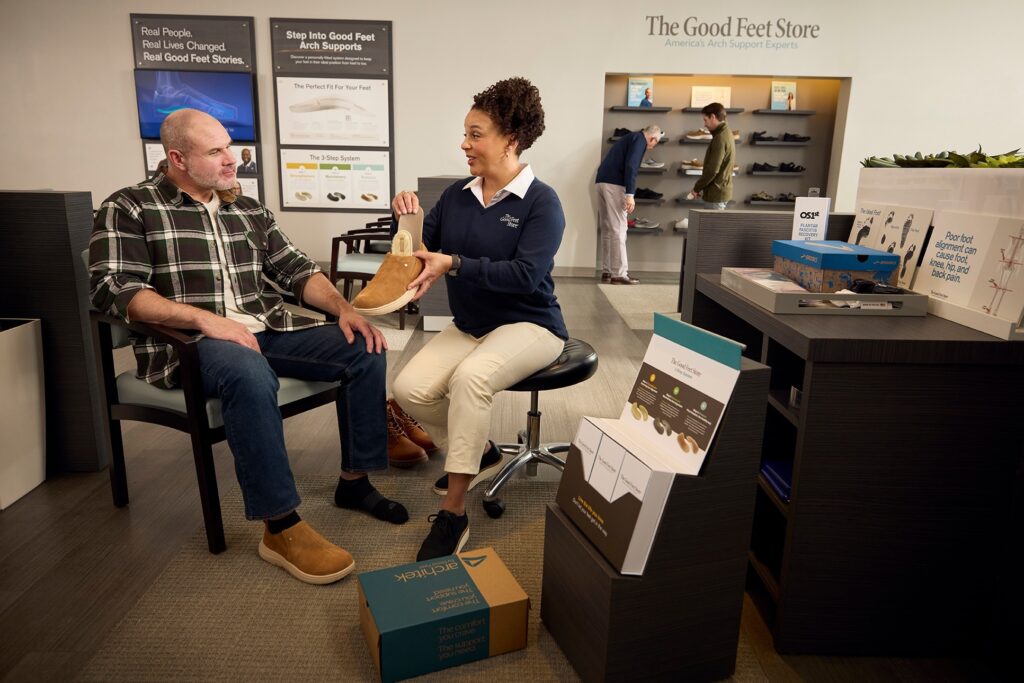
The Good Feet Store has built out more than 270 locations across the country by leaning into one particular idea: that foot pain is rarely about the shoe, it is about the arch underneath it. For anyone who has not walked into one of these stores yet, or has not been in a while, here is what the fitting experience looks like today, from the process itself to what happens if it does not work out.
How the Fitting Works
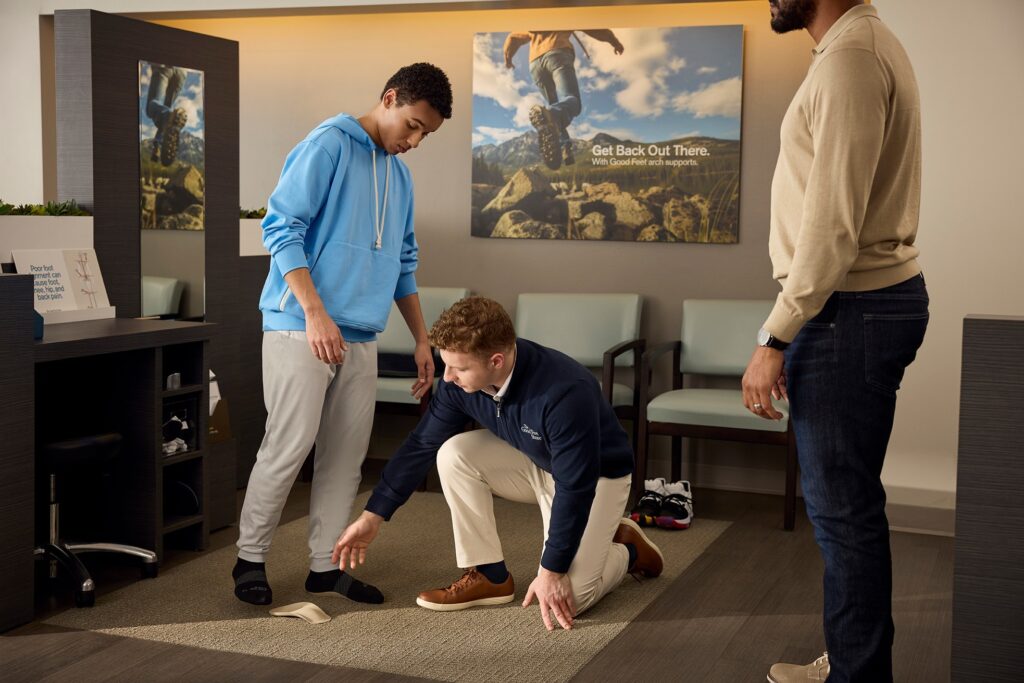
Every visit starts the same way regardless of location: no appointment required, though you can book one if you would rather not wait. A trained Arch Support Specialist walks you through a foot assessment, typically including a digital scan or impression of your foot shape, a conversation about your daily activities, and questions about where you are feeling pain, whether that is your feet, knees, hips, or lower back. The personalized fitting process is built around the idea that two people with the same shoe size can have very different arches, so the supports get matched to your actual foot rather than a generic mold. Once you are fitted, the supports go into your own shoes for what Good Feet calls a test walk, a chance to move around the store and feel the difference before you decide on anything, rather than making a call based on how something feels standing still. If it is not right, you try a different combination on the spot instead of guessing at home.
The Arch Support Lineup
The core of the offering is a three-step system built around Strengtheners, Maintainers, and Relaxers, each meant to do a different job. Strengtheners are the most structured of the three, designed to reposition the foot into better alignment, and they are built for closed-toe, laced shoes that give them the volume and structure to work properly. Maintainers are a lower-profile option meant to hold that alignment once your feet have adjusted, and their thinner build lets them fit into things like dress shoes, loafers, and sneakers where a bulkier support would not. Relaxers are the gentlest of the three, thin enough for sandals, slippers, and other open or tight-fitting footwear, meant for rest and recovery rather than all-day structural support.
The practical upside of having all three is that you are not locked into one pair for every pair of shoes you own. A lot of people keep Strengtheners in their work shoes or sneakers, Maintainers in whatever they wear to the office or out to dinner, and Relaxers for sandals once summer rolls around, moving the right support into whatever shoe the day calls for instead of forcing one insert to do every job. That also means the system holds up across seasons rather than getting boxed into one type of shoe. Most customers end up with some combination of the three depending on their footwear and how their day is structured, rather than a single pair meant to do everything.
What It Costs, and When It’s Worth It
It is worth being upfront that this is not a cheap category, and most people leave with more than one pair. That is a real factor to weigh against a pair of drugstore insoles that cost a fraction of the price.
Where the cost tends to make more sense is for two groups, and they often overlap. The first is anyone who has already worked through the standard options, a gel insole from the drugstore, an inexpensive orthotic insert, maybe an arch band or two, and found that none of it actually solved the problem. Generic insoles are built around an average foot and mostly add cushioning rather than correction, so if you have already given that route a real try and are still dealing with pain, a personalized fit is addressing something different than what those products were ever designed to fix.
The second group is anyone tired of the replacement cycle that comes with cheaper insoles. Foam and gel inserts tend to compress and lose their shape well before a year is up, which means buying the same low-cost product again and again. Good Feet backs its arch supports with a Limited Lifetime Warranty covering manufacturing defects, including cracking or breaking of the shell under normal use, so the expectation is a product meant to be used for years rather than replaced every season. Spread out over that kind of timeline, the upfront cost starts to look less like a splurge and more like paying once for something built to hold up, instead of paying a little at a time for something that keeps needing to be replaced.
Arch supports are eligible for HSA or FSA reimbursement, which can make the cost easier to plan around. FSA funds come with a use-it-or-lose-it deadline each year, so it is worth checking your plan’s timeline before you go in. HSA funds do not expire, so there is less pressure on when you use them.

The other piece worth knowing before you go in is what happens if the supports do not work out. Good Feet backs every purchase with a 90-Day Customer Satisfaction Policy. If you are not feeling relief after the initial fitting, the process is not just handing the product back, your Specialist works with you through adjustments and at least one in-person follow-up first. If you are still not satisfied after that, you can return the supports to the original store within the 90-day window for a full refund to your original payment method, with no restocking fees. Refittings along the way are complimentary, so trying a different combination of supports does not add to what you already paid.
None of this makes Good Feet the right fit for everyone. Some people find real relief within the first few weeks, others need a couple of rounds of adjustment. Between the personalized fitting process and the built-in room to course correct if the first fit is not right, it is a more forgiving purchase than the sticker price alone might suggest. If foot, knee, or back pain has you looking at your options, it is worth a walk-in visit to see how your own feet respond.