
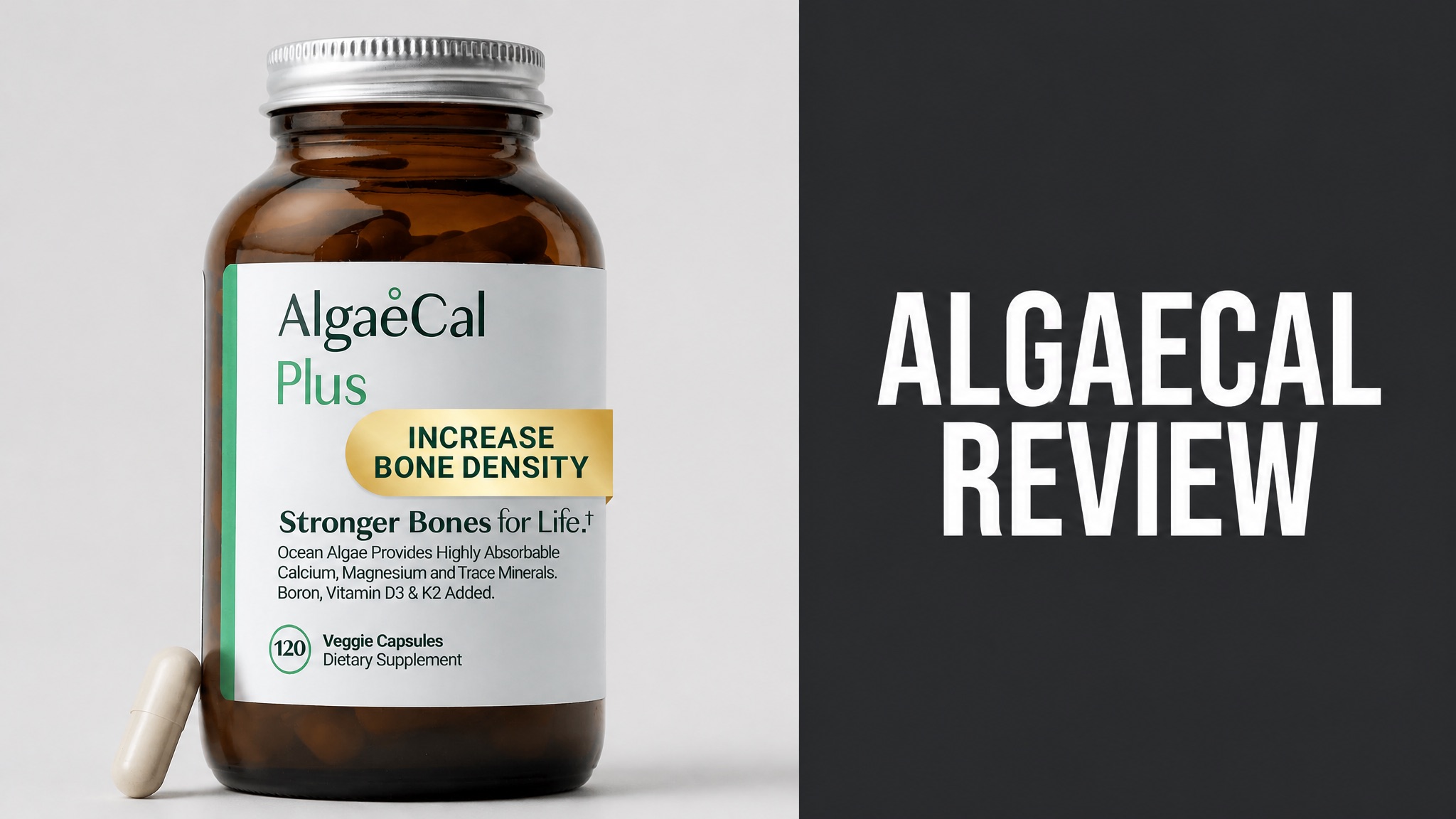
AlgaeCal is a plant-based calcium supplement made from marine red algae. The brand sells it as AlgaeCal Plus, a four-capsule daily formula with vitamins D3, K2 and C added in. It targets adults who want to keep or raise bone density, and it costs more than standard calcium pills.
AlgaeCal works by pairing calcium with trace minerals and bone vitamins. Company studies report density gains above 2 percent after six months. Most users report easy digestion, and the product holds GRAS status. The FDA does not approve supplements, so no approval exists. Side effects stay mild for most people. The brand also offers a refund guarantee.
Independent doctors still want fracture data before calling it proven. Reviews praise results but question the price. The sections below cover ingredients, studies, side effects, dosing, cost and alternatives. By the end, you’ll know if AlgaeCal fits your own bone health plan today.
What Is AlgaeCal?
AlgaeCal is a plant-based calcium supplement made from marine red algae instead of crushed rock. The brand sells it mainly as AlgaeCal Plus, a four-capsule daily formula with bone vitamins. Is it just calcium? No. Short answer: it’s calcium with a bone-building support team built in. The formula targets adults who want to keep or raise bone density.
The target audience is clear. The brand speaks to postmenopausal women, older adults and people with lactose intolerance. The formula also suits gluten-free, soy-free and dairy-free diets. In other words, it’s built for anyone who wants calcium without dairy or limestone.
What Is AlgaeCal Made From?
AlgaeCal is made from a marine red algae called Mesophyllum superpositum, harvested from the Atlantic Ocean. Some reviews name the species Lithothamnium superpositum instead. The company says it processes the algae without additives. The sourcing is the core of the whole pitch, so it’s worth understanding before you buy. Reviews agree on that origin.
The algae has a 180-day lifecycle. It attaches to seaweed on the ocean floor and grows for about six months. Once it reaches the size of a kiwi, it detaches and washes up on shore. Harvesters collect it from there.
Most calcium supplements use calcium carbonate from rock or oyster shells. Why is that so common? Cheap sourcing explains the popularity. AlgaeCal skips the rock route and uses the whole algae as its mineral matrix instead.
How Does AlgaeCal Work?
AlgaeCal works by supplying calcium together with the minerals and vitamins that bone tissue uses. The algae matrix carries calcium plus trace minerals such as magnesium, boron and zinc. Added vitamin D3, vitamin K2 and vitamin C complete the formula. Here’s the thing: the brand pitches the whole stack as the mechanism, not calcium alone. Simple enough.
A lab study backs part of that story. Researchers from Harvard Medical School and the University of Connecticut tested AlgaeCal on cultured human bone-building cells. Alkaline phosphatase activity rose 200 percent more than with calcium carbonate. Against calcium citrate, the gain reached 250 percent.
Does a cell study prove results in people? Not on its own. Cell work shows promise, and the human studies below test the rest.
Absorption also depends on habit. Food triggers stomach acid, and that acid helps the body absorb the capsule’s nutrients. So the brand tells users to take AlgaeCal Plus with a meal or snack.
What Ingredients Are in AlgaeCal Plus?
AlgaeCal Plus delivers 720 mg of calcium plus vitamins D3, K2 and C in each daily dose. The formula also contains magnesium, boron and other trace minerals from the algae. The brand lists these extras as the features that separate it from plain calcium. The table below shows the main amounts per day, taken from the brand’s own pages. Check them out.
AlgaeCal Plus Daily Amounts:
| Nutrient | Amount Per Day |
|---|---|
| Calcium | 720 mg |
| Vitamin D3 | 1600 IU (40 mcg) |
| Vitamin K2 | 100 mcg |
| Vitamin C | 50 mg |
Magnesium matters for a practical reason. Studies cited by the brand put the ideal calcium to magnesium ratio at 2:1. And an imbalance is blamed for constipation, which is a common complaint with calcium pills.
What Are the Benefits of AlgaeCal?
The benefits of AlgaeCal center on bone density support, added bone nutrients and easier digestion. The brand claims clinical support for its bone density gains. Independent doctors urge more caution on that point. To be clear, both views matter, and both appear in the sections below. The list here shows what the brand highlights most. Note the mix.
Main Benefits:
- Bone density support shown in the company’s own studies
- Vitamin D3, K2 and C included in one formula
- Plant-based calcium for dairy-free diets
- Reported digestive comfort
- A money-back guarantee if results fall short
Does AlgaeCal Increase Bone Density?
Yes. AlgaeCal’s own studies report average bone density gains above 2 percent after six months. The trial covered over 200 adults. People normally lose about 1 percent of bone each year after age 40. Why does that matter? Any gain is unusual for a calcium product. That’s the headline claim, and independent doctors want more proof. Let me explain it.
The long-term data stands out too. Do results last? In fact, women in their mid-60s took AlgaeCal Plus and Strontium Boost for seven years. They gained 7.3 percent bone, roughly 1 percent per year, per the Journal of the American College of Nutrition (2016).
Now, watch this. Dr. Jen Ashton’s Ajenda site covers the independent data. A 24-month trial of a different algae calcium, Aquamin, showed no significant density gain over placebo. Bone turnover did slow, though.
Bone density is not fracture prevention. A better scan score doesn’t promise fewer breaks. The sources reviewed here show no fracture reduction data for AlgaeCal.
Is AlgaeCal Easier on the Stomach?
Yes. Most users report no constipation or bloating while taking AlgaeCal. Hillcrest’s review credits the plant-based source and the added magnesium for that comfort. Some users still report stomach upset. That’s also true of other calcium supplements, so dose size and timing both matter for how the capsules feel. Comfort varies, so track how you feel.
Split dosing helps. Two capsules at breakfast and two at dinner keep each dose small. Does that guarantee comfort? No, but it lowers the chance of discomfort.
What Do AlgaeCal Reviews Say?
AlgaeCal reviews split between bone-health success stories and doubts about price and marketing. Reviews appear on retailer pages, Trustpilot and Reddit. Brand-hosted testimonials lean positive, while independent sources sound more measured. So the honest read sits somewhere in the middle. The next two sections break down each side. Both sides have points.
What Are the Positive Experiences?
Positive reviews focus on better bone scans and tolerable digestion. One long-term user on AlgaeCal’s blog reports moving from osteoporosis to osteopenia over ten years of use with Strontium Boost. Another reader reports strong DEXA scan results. These are personal accounts, not controlled trials. Many describe steady progress. Treat them as signals only.
Hillcrest also notes high satisfaction among users. Many report bone health gains and a better sense of well-being. Worth knowing: comments on the brand’s own site are not independent.
What Are the Common Complaints?
Common complaints center on cost, aggressive marketing and occasional symptoms like stomach upset. Hillcrest notes that some users doubt the price is justified by the marketing. One reader on the brand’s blog reported bloating, thirst and headaches while taking AlgaeCal with strontium. The list below collects the main gripes. Price tops the list overall.
Complaints Reviewers Raise:
- High price compared with standard calcium
- Marketing that feels aggressive
- Stomach upset in some users
- Bloating, thirst and headaches in one reader report
- Strict timing around strontium and medications
How Does AlgaeCal Compare to Other Calcium Supplements?
AlgaeCal differs from mainstream calcium supplements by pairing plant-sourced calcium with its own human studies. AlgaeCal’s comparison page ranks it above rivals such as Citracal Maximum Plus and Os-cal. The brand wrote that page, so treat the rankings as its own view. The facts it cites still help you compare products. Comparison starts with source.
AlgaeCal vs Citracal Maximum Plus?
Citracal Maximum Plus uses calcium citrate and adds vitamin D3, copper, manganese and zinc. By AlgaeCal’s account, it lacks vitamin K2, vitamin C and magnesium. The same page says no clinical studies exist for the product. The table below puts all three products side by side so the differences are easy to spot. Bone nutrients are the main gap here.
Side-by-Side Comparison:
| Product | Calcium Source | Clinical Studies |
|---|---|---|
| AlgaeCal Plus | Marine algae | 3 studies on bone density |
| Citracal Maximum Plus | Calcium citrate | None |
| Os-cal Calcium + D3 | Oyster shell calcium carbonate | 1 study, insignificant on hip fracture |
AlgaeCal vs Os-Cal?
Os-cal Calcium + D3 provides only calcium from oyster shells and vitamin D3. AlgaeCal’s page says it lacks vitamin K2 and magnesium. Its one study found no significant hip fracture reduction, and participants still lost bone. Why does that matter? Standard calcium tends to slow loss rather than build bone. The gap shows up clearly in the formula itself.
What Are the Side Effects of AlgaeCal?
AlgaeCal may cause mild digestive symptoms such as upset stomach, diarrhea or headaches in some users. Hillcrest adds that many people report no side effects after long use. Reports vary from person to person. So monitoring your own response is the smart move, and dosage adjustments can help. The list below shows the reported symptoms. Watch the first weeks.
Reported Side Effects:
- Upset stomach
- Diarrhea
- Headaches
- Gastrointestinal discomfort at high calcium doses
Independent doctors raise a bigger issue. Algae calcium is still supplemental calcium. The Women’s Health Initiative linked calcium plus vitamin D to 17 percent more urinary stones, per Ajenda.
Who Should Avoid AlgaeCal?
People with kidney disease or hyperparathyroidism need a healthcare provider’s advice before starting AlgaeCal. Those with kidney stones, heart conditions or osteoporosis prescriptions need the same check. Prescription medications also need spacing of 2 to 4 hours from the capsules. When in doubt, ask your doctor first. A quick check prevents trouble later.
Is AlgaeCal Legit and Safe?
Yes. AlgaeCal is a real, registered product, and the brand reports GRAS status and GMP-certified manufacturing. GRAS means Generally Recognized as Safe. A panel of experts reviews the ingredient for its intended use. Bottom line: the product is legit, though the marketing claims deserve a careful read. The list below shows the evidence. Read the evidence.
Safety and Quality Evidence:
- GRAS status achieved in May 2010
- Six safety studies combined into one published manuscript
- GMP-certified manufacturing facilities
- Third-party testing for heavy metals and microbial activity
- Blood panels of 43 to 45 tests showing no adverse changes in company studies
Is AlgaeCal FDA Approved?
No. The FDA does not approve dietary supplements, so AlgaeCal cannot hold FDA approval. The agency only approves prescription medications. AlgaeCal is registered with the FDA and holds GRAS status instead. In plain English: registration is not the same as approval. The brand’s own FAQ makes this point directly, which is refreshingly honest. Good to know.
How Do You Take AlgaeCal?
AlgaeCal Plus is taken as four capsules daily, two with breakfast and two with dinner. A small snack works if a full meal isn’t possible. Food stimulates stomach acid, which aids absorption. Each capsule is about three-quarters of an inch (1.9 cm) long, so swallowing is manageable. The steps below show the full routine. Consistency matters most of all.
Daily Routine:
- Take two AlgaeCal Plus capsules with breakfast.
- Take two more capsules with dinner.
- Keep prescription medications 2 to 4 hours away from the capsules.
- Take Strontium Boost 2 to 3 hours apart from AlgaeCal and calcium-rich food.
Missed a dose? Take it later in the day with a snack rather than skipping it. Prefer no capsules? The powder can go into smoothies or yogurt, but not hot liquids.
When to Take Strontium Boost?
Strontium Boost is best taken at bedtime, 2 to 3 hours after dinner and calcium-rich foods. Calcium competes with strontium for absorption. Most users pick bedtime because it’s the easiest gap to hit. Any time works if it stays 2 to 3 hours from meals, with or without food. Spacing keeps both products working as intended for you. Set a bedtime reminder.
How Much Does AlgaeCal Cost?
AlgaeCal costs about $80 (USD) for a one-month supply, with discounts for longer plans. Hillcrest gives that figure as the retail price. Add-ons like Strontium Boost raise the monthly total. Check the brand’s site for current pricing before you order, since offers change. The price is the biggest hurdle for most buyers. Plan the monthly budget first.
Is AlgaeCal Worth the Price?
Maybe. AlgaeCal costs more than standard calcium, and the answer depends on how much you value the extras. Users on Hillcrest question whether the price is justified. The refund guarantee lowers the risk. So the real test is simple: do the added nutrients and studies matter to you? Compare the cost with what a standard calcium pill provides and decide.
Is AlgaeCal Worth It?
AlgaeCal is worth trying for people who want plant-based calcium with bone vitamins and accept a premium price. The company’s studies show density gains, and safety looks sound. The big caveat remains. Independent doctors say fracture prevention is unproven, and general calcium risks still apply to algae calcium too. Expect solid quality, with limits.
Should You Try AlgaeCal?
Try AlgaeCal only after checking your diet, vitamin D level and options with your doctor. Food sources of calcium come first. Resistance training, protein and approved osteoporosis medications have stronger fracture data. If supplements are still needed, AlgaeCal is a reasonable choice. Here’s the kicker: the refund guarantee makes a trial low risk.